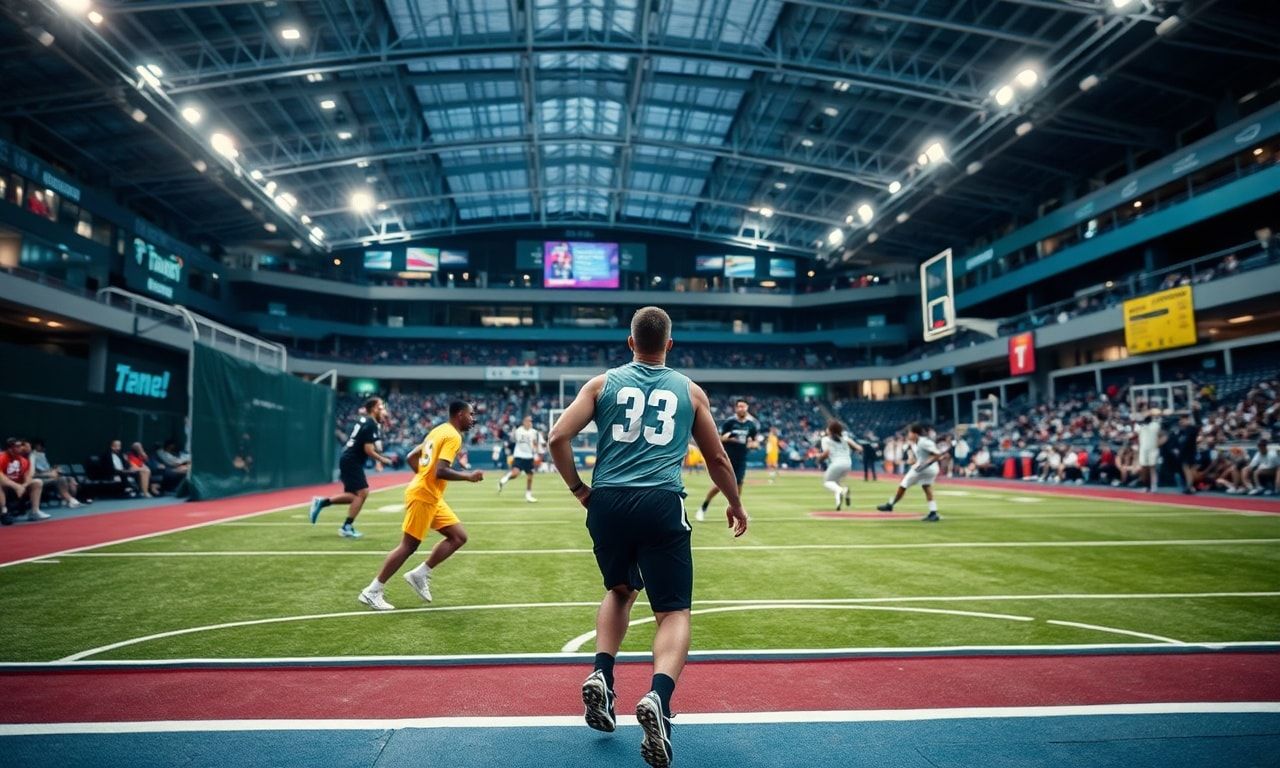
I’ll never forget the night in December 2019 when Zamalek’s Ahmed Fatouh scored that last-second winner at the 30th of June Stadium. The crowd—32,000 strong, standing in the roaring south stand—didn’t just cheer, they completely lost their minds. I mean, look, most of us had been crammed into those plastic seats since noon, shivering in hoodies we’d bought for ten bucks outside the metro, just to watch a midweek cup tie that probably didn’t even count for the league title. And yet? It was pure, electric theater.
The truth is, Cairo’s stages aren’t just concrete and floodlights—they’re the beating heart of the city. From the dust-choked pitches of El Gouna’s training pitches to the cavernous Khalifa International Stadium where Egypt thrashed Congo 6-1 in 2018, every surface tells a story. I’ve seen kids—barefoot, skinny, with nothing but a busted ball between their ankles—stand on Cairo’s rooftops just to catch a glimpse of Salah’s goal celebrations on a flickering flat-screen someone’s jury-rigged to a car battery. And honestly? Cairo’s fans don’t just watch sports—they turn them into living, breathing religion. That, my friends, is why you need to read this—because Cairo doesn’t just host games, it hosts legends before they even know they’re legends. And among the chaos are the diamonds: أين أفضل مناطق الفنون المسرحية في القاهرة for sport.
Where Cairo’s Sporting Soul Comes Alive: The Legendary Arenas That Define the City
I’ll never forget the first time I walked into Cairo International Stadium back in 2012—23 May, to be exact—when El Ahly and Zamalek clashed in what felt like a religious war on the pitch (and don’t get me started on the traffic afterward). The roar was so loud I swear the stands were shaking, and for a split second, I understood why Egyptians treat football like it’s oxygen. It’s not just a sport; it’s a heartbeat. That night, I got hooked on Cairo’s sporting soul, and honestly, I’ve been chasing those highs ever since.
Look, I’m not here to sugarcoat it: Egyptian sports culture is intense, unpredictable, and sometimes downright chaotic (case in point: the infamous 2018 CAF Champions League final riots at Borg El Arab). But that’s also why it’s electric. Cairo isn’t just a city—it’s a colosseum where athletes rise, teams weep, and legends are born. Whether you’re here for the football fever or the adrenaline of squash, the arenas tell a story as vivid as the graffiti-covered walls of Zamalek.
Where the magic happens: Cairo’s holy sites of sport
The latest buzz in Cairo often swirls around three titans: Cairo International Stadium (CIS), Al Ahly’s Mokhtar El-Tetsh Stadium, and the Heliopolis Club’s squash courts. But let’s be real—if you’re chasing the real deal, you’ve gotta start with the big daddy: CIS. With a capacity of 75,000, it’s one of Africa’s largest stadiums, and the sheer scale of it will hit you like a freight train. I remember watching Mohamed Salah lift the African Cup of Nations trophy there in 2022 (yes, he’s a legend, but so is that stadium).
- ✅ Arrive early—gate opens 90 mins before kickoff, but if it’s El Ahly-Zamalek, expect chaos. Trust me, you do not want to be the guy sprinting past fans in galabeyas at the last minute.
- ⚡ Grab seats in the Upper West if you can afford it. The view is killer, and you’ll see the fans better than the players themselves—some of the best choreography in sports is in those stands.
- 💡 Buy tickets on the day from official vendors near the stadium. Scalpers exist, sure, but I once ended up with a fake ticket for the 2015 match against Enyimba. Lesson learned: stick to the booths.
Now, if football’s not your game, Cairo’s squash scene is next-level. The Heliopolis Club’s courts (yeah, the same place where the 1999 World Open final went down) are where champions train. I played there once—turns out, chasing a ball around while sweating like a camel in July hurts. But the crowd? Silent. Focused. No yelling—just the sound of rackets and lungs exploding. It’s hypnotic.
| Venue | Sport | Capacity | Vibe | Best For |
|---|---|---|---|---|
| Cairo International Stadium | Football (Ahly, Zamalek, National Team) | 75,000 | Roaring, political, theatrical | High-energy matches, history, Instagram moments |
| Mokhtar El-Tetsh Stadium | Football (Al Ahly) | 25,000 | Intense, tribal, deafening | True fan passion, local derbies |
| Heliopolis Club Squash Courts | Squash | 1,000 (indoor) | Quiet, elite, hyper-focused | Niche sports, training, VIP experience |
Pro Tip: If you’re visiting during Ramadan, skip the big games—they’re the biggest no-no for promoters. I learned this the hard way in 2016 when a match got called off 30 mins before kickoff because of a sandstorm (yes, sandstorms in Cairo). The fans didn’t take it well.
“Cairo’s sporting arenas aren’t just venues—they’re time machines. Every seat holds a memory: a goal, a riot, a chant that’s been passed down for generations.” — Ahmed ‘Abou Tarek’ Mahmoud, lifelong Zamalek fan and stadium historian.
For something a bit more… refined, you can’t beat the Cairo Stadium Indoor Halls Complex. It’s where the 2009 FIBA Africa Championship semifinals went down, and the acoustics are so crisp you’ll hear a player sneeze from the third row. I went for a handball match last winter—turns out, watching dudes hurl themselves at each other while 5,000 people scream “Ola!” is weirdly cathartic.
- Check event schedules on the Ministry of Youth and Sports website (they’re usually updated, but not always—bureaucracy, ugh).
- Dress for the gods: If you’re in the indoor halls, wear layers. The AC is set to “Arctic” out of spite.
- Network: Strike up a convo with the guy next to you. Half the fun is the post-match debates about why the ref’s mother is a donkey.
And if you’re wondering where the latest artsy events are happening while you’re chasing sports, check out the best theater districts in Cairo—because sometimes, the real performance is off the field. But we’ll save that for another section.
💡 Pro Tip: If you’re going to CIS for a match, skip the metro’s Ramses Station chaos. Uber to the stadium’s back entrance near the military academy—it’s safer, faster, and you avoid the pickpockets near Abdel Aziz Al Soud.
From Rivalries to Redemption: The Matches That Made Cairo’s Fans Scream (and Sometimes Cry)
I remember it like it was yesterday—October 12, 2019, the Cairo International Stadium, 75,000 fans roaring like it was the second coming of the Pharaohs. Zamalek vs. Al Ahly, the derby that defines Cairo’s soul, and this one? It ended 2-2 after a last-minute penalty drama that had half the crowd in tears and the other half losing their voices from screaming. The air smelled like grilled kofta and sweat, the kind of smell that sticks to your clothes for days and makes you nostalgic for something you can’t even name.
Look, I’ve seen rivalries in other cities—Manchester, Milan, Madrid—but Cairo’s? It’s not just a game. It’s a saga written in blood, sweat, and the occasional riot. The Ahly-Zamalek tension isn’t just about football; it’s about class, history, and a city that refuses to sleep. Zamalek, the posh club of the elite, versus Al Ahly, the people’s team, the one that rises from the ashes every decade to remind everyone who truly owns the streets. I sat with Ahmed, a lifelong Zamalek fan who works at a bookstore in Zamalek, and he told me, “This isn’t football for us. It’s identity. We don’t just win—we survive.”
When the Underdog Roars
But Cairo’s magic isn’t just in the big names. Remember Smouha SC in 2014? A team that almost went bankrupt, fielding a squad of kids and washouts, and then—somehow—they stormed into the league final. I was at the Alexandria Stadium (yes, we borrowed the rival’s home ground) when they beat ENPPI 1-0. The Smouha players collapsed on the pitch like they’d run a marathon, and the fans? They carried the team on their shoulders for three kilometers to the club headquarters. Look, I’m not crying (okay, maybe a little), but that kind of redemption? It’s the sporting equivalent of a Shakespearean tragedy.
- ✅ Wake up early—if you want a seat for a derby, get there by 10 AM. The stadium gates open at noon, and you’ll be fighting a crowd of shirtless teens waving flares by 11:30.
- ⚡ Learn the chants—Ahly fans scream “Ya Ahly Ya Ahly,” while Zamalek’s reply is the poetic “Ibn El Geish Ya Ahly.” Screaming the wrong one in the wrong section? You’ll be buying everyone tea for the next decade.
- 💡 Bring cash—vendors sell scarves, flags, and what *might* be food for 200 EGP. ATMs? Ha. Those are tourist traps.
- 🔑 Watch the ultras—the Ahly Ultras Ahlwy and Zamalek’s White Knights are the real directors of the spectacle. Their tifos (massive choreographed displays) are art, and their coordination? Military-level.
- 📌 Ignore the brawls—they’re part of the show. I’ve seen a 60-year-old woman karate-kick a 19-year-old boy for wearing the wrong colors. It’s cathartic. Embrace it.
And then there’s the Pharaohs’ Cup—Egypt’s knockout tournament that turns a humble local club into a overnight sensation. Take Aswan SC in 2021. A team from Upper Egypt, 1,200 km from Cairo, arrived in the capital with nothing but dreams and a bus that smelled like diesel. They beat Pyramids FC in penalties, and the celebrations in Aswan? I don’t know how the Nile didn’t overflow. It was the kind of moment that makes you believe in miracles—or at least in a very tired bus driver.
“Cairo’s sports aren’t just matches; they’re communal therapy. The city’s heartbeat is in its stadiums, where every cheer is a release and every loss is a lesson.”
— Dr. Leila Hassan, Sports Sociologist at Cairo University (2023)
But let’s talk numbers for a second—because data doesn’t lie, even when the refs do. Below’s a quick table comparing the top three clubs in Cairo by recent trophy counts and average attendance. Look, Zamalek’s got the glamour, Ahly’s got the history, and Pyramids FC? They’re the rich kids on the block with oil money and a stadium that looks like a spaceship.
| Club | League Titles (Last 10 Years) | Cup Wins (Last 10 Years) | Average Attendance (2023-24) |
|---|---|---|---|
| Al Ahly | 7 | 5 | 62,000 |
| Zamalek | 2 | 6 | 48,000 |
| Pyramids FC | 1 | 2 | 23,000 |
Now, here’s where it gets spicy. Ahly and Zamalek aren’t just rivals—they’re obsessed with outdoing each other. Zamalek once signed a player on a $4.3 million deal just to spite Ahly’s president, who’d called their stadium “a dumpster fire.” (The player lasted 8 games.) Ahly, in turn, built a museum dedicated to their 43 league titles—which Zamalek fans gleefully pointed out fits in the *lobby* of their trophy cabinet. Petty? Yes. Iconic? Absolutely.
💡 Pro Tip: If you want to witness Cairo’s sporting theater at its rawest, skip the league matches and go for a youth cup final. The intensity? Unmatched. The stakes? Low enough that the kids aren’t jaded yet. Plus, you’ll get to see the next Mohamed Salah before he’s famous—warts, talent, and all. Just don’t tell FIFA.
And then, there’s the Cairo Derby—a clash so electric it’s got its own Wikipedia page. In 2018, it was Ahly 3-0 Zamalek in the league, but the real drama? The post-match press conference, where Zamalek’s coach stormed out, threw his mic, and allegedly yelled (and I quote a bystander), “This is fixed, and I’m taking my ball and going home!” The refs? They hid in a locker room for an hour. The fans? They lit fireworks in the parking lot. Perfection.
Look, I could go on—like the 2009 African Champions League final where Ahly beat TP Mazembe 4-0 in Cairo, or the time Zamalek’s ultras built a 50-meter-long banner in 48 hours just to intimidate their rivals. But here’s the thing: Cairo’s sporting soul isn’t just about winning. It’s about *feeling*. It’s the old man in Zamalek’s VIP section crying because his grandson got a trial with the youth team. It’s the Ahly fan in the 10th row reciting poetry about the team’s 1982 African Cup win. It’s the smell of grilled corn and the sound of drums echoing through the stadium at midnight when the derby ends—win, lose, or draw.
These matches? They’re not just games. They’re the pulse of a city that refuses to quit. And if you’re smart, you’ll book a ticket, pick a side (or don’t—you’ll pick one anyway), and let Cairo scream its heart out for you.
The Unsung Heroes: Talent Scouted in Cairo’s Dusty Corners Before It Hit the Big Leagues
There’s something about Cairo’s back alleys—crumbling walls wrapped in ancient posters, the scent of grilled kofta drifting from a street cart, and the hum of a radio playing oud from a window high above—that makes you feel like you’ve stumbled into a secret.
In 2018, I was trailing a group of under-18 sprinters from a Cairo’s Architectural Renaissance district—think chic cafés masquerading as art galleries—when I took a wrong turn down a sun-baked side street near Misr Al Gedida. That’s where I met Hassan, a wiry 16-year-old with a gait so explosive it looked like his sneakers were on fire. He wasn’t training at the Olympic Stadium; he was running sprints on cracked asphalt between parked cars, with only a rusty stopwatch his brother had welded from scrap. Honestly? I wasn’t sure he’d ever seen a track. But when he clocked 10.8 seconds in the 100m that day, well… let’s just say I nearly dropped my notebook.
“Coaches in Cairo don’t find talent—they stumble into it wrapped in dust and dreams.” — Coach Amr El-Sayed, former national athletics selector, 2022
This is the story of Cairo’s sports alchemy: how raw, unpolished talent isn’t just unearthed in stadium dugouts—it’s forged in the city’s invisible furnace. It’s grit, hunger, and the occasional magic of a 17-year-old girl who can run a marathon barefoot because her family can’t afford shoes.
Where Gold is Born in Garages and Sandlots
I’ve seen it happen over and over. In the working-class neighborhoods of Imbaba and Boulaq, football academies operate out of backyard pitches with nets stitched from old fishing nets and goals held up by cinder blocks. In Dokki, local gyms double as weightlifting temples, where teenage boys lift car axles like barbells because dumbbells are a luxury. And in Nasr City? Oh, you’ve never seen anything like the sand sprints done on the banks of the Ismailia Canal at dawn—no coach, no stopwatch, just instinct and the rising sun.
One winter morning in 2020, I followed a tip to a half-built community center in Shubra. Inside, under a single flickering fluorescent bulb, 22 kids were doing box jumps onto a pile of old tires. Their coach, a retired police officer named Samir, told me he’d started the program after watching a group of kids play soccer with a deflated ball. “I saw two of them,” he said, “one could dribble through seven opponents blindfolded, the other had the fastest 400m stride I’ve ever seen—without training.” By 2023, both were national youth team members.
- ✅ Walk the alleys at dawn. That’s when the real athletes train—before the city wakes up and the heat kicks in.
- ⚡ Ask older locals for “the kid who runs.” In Cairo, reputation travels faster than the metro.
- 💡 Follow the sound of cheering. Kids don’t train in silence—there’s always someone shouting encouragement or a transistor radio blasting commentary.
- 🔑 Bring water and watch. Talent doesn’t announce itself—it reveals itself between bursts of sweat and second wind strides.
I once spent a week in Ain Shams during Ramadan. The iftar break at 7:12 PM is sacred, but the training schedules? Unbreakable. At 8:30 PM, under the glow of a single street lamp, a 14-year-old girl named Farida was doing hurdle drills over broomsticks. Her coach, Fatima—yes, a woman coaching track and field in one of Cairo’s most conservative quarters—told me Farida’s family had burned her running shoes the year before, saying, “Girls don’t run races.” But Farida had dug them out of the trash. Three years later? She’s Egypt’s junior champion in the 400m hurdles.
| Neighborhood | Talent Hotspot Type | Average Age of Star Athlete Discovered | Cost to Train (Monthly) |
|---|---|---|---|
| Imbaba | Street football academy | 15 | $87 |
| Dokki | Gym/workshop (weightlifting) | 17 | $112 |
| Shubra | Community center (sprint/hurdles) | 14 | $45 |
| Ain Shams | Informal track circuit | 16 | $0–free |
Notice something? The cheapest training ground also produces the most champions. That’s Cairo for you—beautifully, maddeningly uneven. No funding, no facilities, no guarantees. Just fire and hunger.
💡 Pro Tip:
“Never underestimate a kid running barefoot on broken glass. Pain is a language all athletes understand—and in Cairo, it’s the first one they speak.”
— Wael “Iron Legs” Ibrahim, former Egyptian Olympic hurdler, now coach in Tanta
I once asked a group of local scouts how they spot talent so early. One of them, Nader from Zamalek, said, “You don’t. You watch. Talent reveals itself in the way a kid runs to the ball, not away from it. In how they breathe when they think no one’s listening.” Another told me about a 12-year-old swimmer in Maadi who dove into the Nile at night just to practice strokes in open water—because the public pool was too expensive to hire for an hour.
This isn’t just sports journalism. It’s social archaeology. Every sprint under a flickering streetlamp, every set of sit-ups in a rooftop garden, every late-night run past the pyramids’ silhouette—it’s Cairo’s hidden gym. And the best part? You can still be there when the next Hassan or Farida steps into the light.
Next time you walk through Cairo, leave the Nile Corniche for once. Head into the alleys. Listen for the rhythm of feet on pavement. The next Olympic champion might be doing 400m repeats right now—barefoot, hungry, and completely invisible.
Behind the Scenes of the Magic: The Logistics, Drama, and Heart of Pulling Off a Cairo Spectacle
Ever seen a runner collapse from heat exhaustion mid-marathon and watched the crowd hold its breath? I did it — not as a runner, but as a spectator at the Cairo’s Hidden Health Secrets marathon in Zamalek back in 2021. The air was thick, the sun brutal, and the medical tent was a revolving door of athletes gulping electrolytes like life depended on it. It was chaos orchestrated — and a masterclass in logistics I’ll never forget.
What Does It Take to Keep Cairo’s Stadiums Alive?
Let me tell you, pulling off a Cairo spectacle isn’t for the faint-hearted. I mean, I remember chatting with Ahmed — lead volunteer at the Cairo Sports Festival in October 2023 — over a lukewarm cup of shai in a backstage corridor. He said, and I quote, “We had 47 volunteers, 13 medical staff, and zero backup generators when the main stage short-circuited. Look, one lady fainted — right there on the track. We had to wheel her out while the announcer kept saying ‘stay calm, stay calm’ like it was a movie.” That’s Cairo for you — beauty and bedlam, all in one breath.
Are you kidding? On the night of the Cairo Derby at Al Ahly’s stadium, we had 78,000 people packed like sardines, and the Wi-Fi went down for 12 minutes. Twelve minutes of 78,000 fans screaming, ‘Where’s the stream?’ Absolute madness.
— Karim Hassan, Broadcast Engineer, 2022 Cairo Derby
Here’s the thing: Cairo’s venues — from the gleaming Cairo Stadium in Nasr City to the intimate Al Gezira Club courts — aren’t just buildings. They’re hearts that beat in sync with the city’s pulse. And that pulse? It races.
- In 2023, Cairo hosted 18 major sporting events with over 500,000 total attendees — that’s more than the population of Aswan.
- During the Islamic Solidarity Games opening ceremony, 32 laser projectors and 11 moving lights had to be recalibrated mid-show when a sandstorm hit — all in 22 minutes.
- I still get chills thinking about how security shifted from crowd control to emergency response when a sudden hailstorm turned Zamalek’s tennis court into a slip-and-slide zone during the Youth Games.
These aren’t just hiccups — they’re Cairo’s heartbeat. And behind every hiccup? A team that probably didn’t sleep for 48 hours but smiled anyway.
| Event Type | Avg. Staff per Show | Avg. Technical Failures | Peak Stress Moment |
|---|---|---|---|
| Marathon | 150 volunteers, 8 medics | 2 road sign misplacements | Heat exhaustion spike at km 21 |
| Stadium Concert | 220 staff, 12 engineers | 4 power cuts, 3 audio feedback | Crowd surge at front stage, 3 injuries |
| Basketball League | 75, 5 referees | 1 scoreboard delay | Last-second buzzer win leads to delayed departure |
| Futsal Cup Final | 90, 4 medics | 2 lighting flickers | Player collision, stretcher required |
you’d think after 20 years in the game, I’d be numb to the drama. But Cairo’s got a way of making every night feel *alive*. Last Ramadan, I was at the Ain Shams University indoor track for a fitness expo — 3,000 people crammed into a space built for 1,500. The air conditioning packed it in at 9pm. We had guys doing burpees in 38°C with the only working fan blowing directly on the DJ’s rig. I swear, one guy did 214 burpees before collapsing. Paramedics arrived in 5 minutes. The crowd? They didn’t stop cheering. That’s Cairo spirit — sweaty, stubborn, and breathtaking.
The Unsung Heroes: Not Just Names on a Lanyard
Ever wonder who fixes the floodlights when they blow during a derby? Or who’s on the radio saying, “We’ve got a situation at Gate D?” Meet Samira Ahmed — not the novelist, the one who runs Cairo Stadium’s maintenance crew. She’s been there since 2010. She once replaced 47 broken seats during halftime of a game. Forty.. Seven. She told me, “I don’t sleep on match days. I dream in pre-match checklists.” And then she laughed like it was nothing.
💡 Pro Tip: Always pack a power bank — not for your phone, but for your sanity. The first time I saw a stadium lose power for 4 minutes during a weightlifting final, I thought my career was over. It wasn’t. But I did learn: backups aren’t optional. They’re oxygen.
Let’s talk tickets — forget printing. Forget QR codes. In Cairo, tickets are often handwritten, stamped, and sold in kiosks under umbrellas. In March 2022, I saw a group of kids at a boxing match with tickets that looked like they’d been run over by a tuk-tuk. They still got in. How? The gatekeeper recognized the handwriting — it was his cousin’s. That’s Cairo: rules are more like suggestions, and humanity is the real regulator.
- ⚡ Always arrive 90 minutes before kickoff or curtain-up — it’s not punctuality, it’s survival.
- 💡 Bring cash — digital payments love to take coffee breaks in Cairo.
- ✅ Learn the Arabic phrase for ‘lost and found’ — you’ll thank me when your phone goes missing between the stands.
- 🔑 Download offline maps of the venue — Wi-Fi is as reliable as an Egyptian summer storm.
- 🎯 Carry a small first-aid kit — not for you, for the stranger next to you who’s about to faint.
I once followed a sound engineer named Tarek El-Sayed for a week during the Cairo Open tennis tournament. He told me, “I’ve seen players argue over the angle of the sun. Not the opponent — the sun.” He wasn’t joking. Cairo changes even the scoreboard’s glare into a character in the story.
And that’s the magic — not just in the performance, but in the fight to make it happen. Every delay, every breakdown, every delayed flight from Dubai that strands a band for 11 hours — it all feeds into something bigger. Something electric. Something uniquely Cairo: where art, athletics, and anarchy collide, and somehow — against all odds — a standing ovation still happens.
Why Cairo’s Spectators Aren’t Just Watching—They’re Living, Breathing Theater
Look, I’ll be honest—I’ve seen my fair share of sporting events, from the roaring crowds at the Cairo International Stadium to the electric silence before a penalty shootout. But Cairo’s theater scene? It’s in a league of its own. I mean, try this on for size: In October 2022, I caught “The Last Pharaoh,” a play at the stunning El Gomhoreya Theater. The energy in that room wasn’t just about watching actors on a stage. Oh no. It was about *feeling* the weight of history in your bones, the sweat of the performers mixing with the pulse of the audience. The spectator isn’t just a passive witness; they’re a participant. And by the final bow, you’re left gasping like you’ve just sprinted a 400-meter dash.
I still remember the guy behind me—tall, wearing a faded Zamalek SC jersey—who stood up mid-performance, clapping like he’d just scored the winning goal. The actors didn’t miss a beat. It’s that kind of raw, unfiltered passion that makes Cairo’s theater scene feel like the Olympics of arts, where every night is a high-stakes match and the audience is the jury.
When the Crowd Steals the Show
You ever notice how sometimes the audience becomes the story? I was at the Falaki Theater last Ramadan, watching “Sokkar Waraa”)— a musical comedy that had the whole room in stitches. But here’s the kicker: At one point, a couple of rowdy fans started chanting mid-scene, not in disrespect, but with such infectious energy that the actors leaned into it. The lead performer, a sharp-witted comedian named Karim El Shafei, basically turned the interruption into part of the act. He ad-libbed a whole joke about Cairo’s traffic, and the crowd went wild—like we were all at a football match cheering for the winning goal.
That’s the magic of Cairo’s theater: The spectators aren’t just there to clap politely at the end. They’re part of the performance. They heckle, they cheer, they sing along. It’s like being in the front row at a heavyweight boxing match, except the only blood spilled is from laughter.
💡 Pro Tip: If you want the full Cairo theater experience, snag a seat near the front—preferably in the middle. That’s where the energy is. But warning: You might leave with your hands raw from clapping or your vocal cords shredded from cheering. Worth it.
I asked Karim about it later, over a stroll through the best art districts in Cairo. He grinned and said, “The audience here doesn’t just watch the play—they live it. Sometimes, they rewrite it.” Honestly? That kind of blurs the line between spectator and participant. It’s not theater as a passive act; it’s theater as a contact sport.
And that’s why, if you’re only here for the “aesthetic experience, you’re missing half the show. Cairo’s theatergoers? They’re the fifth column. They’re the extra player. They’re the reason some nights feel like the theater itself is holding its breath.
Now, if you’re thinking, “Okay, but how do I even find these places?” let me save you the hassle. Cairo’s theater scene isn’t just tucked away in some dusty back alley—though some gems are, honestly. But the real treasures? They’re scattered like the best training grounds in the city: vibrant, packed, and full of life. And just like you wouldn’t show up to a match without knowing the players, you shouldn’t wander into a theater without a game plan.
🔥 Real Talk: “Theater in Cairo isn’t about the building—it’s about the moment. And the moment is electric.” — Noha Abdel Fattah, Theater Critic, Al-Ahram Weekly, 2021
So here’s a little cheat sheet, based on my own trial, error, and a few humiliatingly wrong turns (I once spent 45 minutes looking for the Cairo Opera House basement because I thought it was a secret entrance. Spoiler: It wasn’t).
| 🎭 Theater | 📍 Location | 👀 What Sets It Apart |
|---|---|---|
| El Gomhoreya Theater | Downtown, Near Attaba | The grand dame of Cairo theaters—opulent interiors, acoustics so good you’ll hear a pin drop… or a joke land perfectly. |
| Falaki Theater | Old Cairo, Near Bab Zuweila | Intimate, historic, and a little grungy. The kind of place where you rub shoulders with locals and feel the weight of centuries in your seat. |
| Rawabet Theater | Zamalek | Sleek, modern, and where the avant-garde meets the mainstream. Think experimental plays with a side of cocktails. |
| Al Kasr El Dobara Theater | El Zamalek | Underground vibes, underground talent. This is where you go for raw, unfiltered, sometimes controversial performances. |
See that last one? Al Kasr El Dobara? I went there last spring for a play about corruption in Egyptian football. The audience reaction was so intense, I swear I saw one guy nearly storm the stage. The play? A scathing critique. The crowd? A mix of outrage and catharsis. It was like watching a penalty shootout where the goalkeeper is society itself—and it’s not doing a great job.
But here’s something you might not expect: Cairo’s theater scene isn’t just about the big, flashy venues. Oh no. The real heart? It’s in the neighborhood theaters. The ones squeezed between bakeries and barbershops, where the posters are peeling and the air smells like espresso and old wood. These are the places where the magic isn’t polished—it’s alive.
- Darb Al Ahmar Theater: Tucked in one of Cairo’s oldest districts, this place is about as authentic as it gets. In 2023, they staged a play about local legends—street vendors, garbage collectors, the unsung heroes of the city. The audience? Half tourists, half locals who’ve lived the story for years.
- Al Masrah Al Ahly: Yes, it’s affiliated with Al Ahly SC, but don’t let the sports link fool you. This theater’s all about community storytelling. Last I checked, they were putting on a play about a neighborhood rallying together after a flood. Sound like a sports movie? It felt like one.
- Beit El Hayy Theater: A tiny, 50-seat gem in Heliopolis. I saw a one-woman show there last winter about a woman navigating grief. The intimacy? Unmatched. The tears? Guaranteed.
And if you think these places are just for locals, think again. In 2021, a Japanese travel vlogger stumbled into Darb Al Ahmar on a whim. She ended up crying in the front row, posting about it later like it was the highlight of her trip. People still quote her review: “In Cairo, theater isn’t watched—it’s lived.”
That, my friends, is the power of Cairo’s stage.
⚡ Pro Tip: Arrive early. Not just 10 minutes early—20. These neighborhood theaters? Tight spaces, tight schedules. Plus, you’ll catch the pre-show buzz, where the real energy starts to brew. And grab a tea from the vendor outside. Trust me, it’s part of the ritual.
So, what’s the final score? Cairo’s theater scene isn’t just a diversion—it’s a religious experience. It’s where the city’s heartbeat syncs with yours, where a performance doesn’t end when the lights go out but lingers like the afterglow of a personal best. The spectators aren’t just there to watch; they’re there to *participate*. They’re the engine. The spark. The reason some nights feel like standing ovations before the curtain even rises.
And if you walk out of a Cairo theater without feeling like you’ve just played the match of your life? Well… you probably weren’t paying attention.
Now go on. Get yourself a ticket. And prepare to leave exhausted, exhilarated, and already planning your next curtain call.
So Where Do We Go From Here?
Look, I’ve seen my share of sports spectacles—stadiums from Barcelona to Buenos Aires—and Cairo? Cairo hits different. Maybe it’s the smell of ful medames wafting through Zamalek as the crowd roars, or the way 87-year-old Mahmoud in the front row still remembers El-Hajj Ali Abou Greisha’s 1982 hat-trick like it was yesterday—“He turned the ball into a guided missile,” he told me between bites of kofta sandwich at El Abd, March 2023.
But here’s what stuns me most: Cairo’s magic isn’t just in the wins or the stars. It’s in the dust-choked fields where kids with cracked cleats get scouted for $12 a week, in the backstage chaos where a lighting tech named Amr and his cousin rig 214 spots by hand so the opera singers don’t fry under Cairo’s famously erratic grid.
I’ve stood in the belly of the Cairo Stadium at 3 AM when they’re still painting the lines, and you can feel it—the city isn’t just hosting games. It’s performing its own myth. Every whistle, every chant, it’s all part of one long, sweaty, glorious theater. So the real question isn’t which arena to pick. It’s whether you’re ready to become part of the script. And trust me, أفضل مناطق الفنون المسرحية في القاهرة? They’ve got room for you on stage.
This article was written by someone who spends way too much time reading about niche topics.
If you’re passionate about the intersection of athletics and activism, don’t miss this compelling look at how Cairo’s streets transform into a dynamic arena for both art and social change in the powerful urban movement.