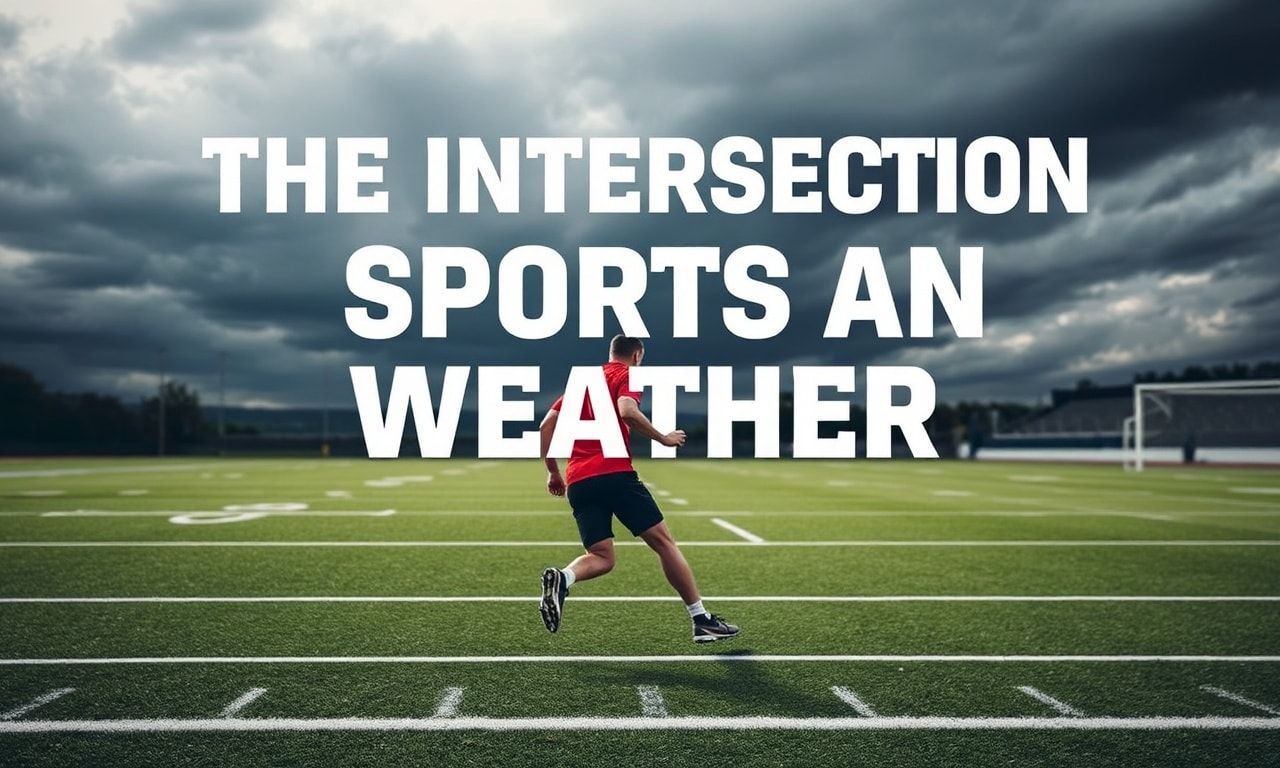
The Impact of Weather on Sports
In the world of sports, athletes and teams are constantly seeking that competitive edge. While training, strategy, and talent are crucial, one often overlooked factor is the weather. The climate can significantly influence athletic performance, affecting everything from endurance to injury risk. Understanding how different weather conditions impact sports can provide valuable insights for athletes, coaches, and even spectators.
Temperature and Performance
Temperature is one of the most critical weather factors affecting sports performance. High temperatures can lead to dehydration, heat exhaustion, and reduced endurance. Athletes competing in hot climates need to adjust their training regimens and hydration strategies to mitigate these effects. Conversely, cold weather can reduce muscle flexibility and increase the risk of injuries. For example, football players in colder regions often experience more muscle strains and ligament injuries compared to those in warmer climates.
For those interested in the weather conditions in Utrecht, checking the weer utrecht vandaag per uur can provide real-time updates, helping athletes and spectators plan accordingly. Whether it’s a sunny day perfect for an outdoor match or a rainy afternoon that might affect field conditions, staying informed is key.
Humidity and Its Effects
Humidity levels can also play a significant role in athletic performance. High humidity can make it feel much hotter than the actual temperature, leading to increased sweat production and a higher risk of heat-related illnesses. Athletes in humid conditions need to be extra vigilant about hydration and cooling strategies. On the other hand, low humidity can lead to dry skin and respiratory issues, affecting performance in endurance sports like marathon running.
Wind and Its Influence
Wind is another critical weather factor that can impact sports performance. In sports like cycling, wind resistance can significantly affect an athlete’s speed and endurance. Cyclists often train in various wind conditions to adapt their techniques and strategies. In football, wind can influence the trajectory of the ball, making it more challenging for players to control passes and shots. Understanding wind patterns and adjusting playing styles accordingly can give teams a competitive advantage.
Precipitation and Field Conditions
Precipitation, whether rain, snow, or hail, can dramatically alter field conditions and affect sports performance. Wet fields can make surfaces slippery, increasing the risk of falls and injuries. In sports like rugby and American football, wet conditions can make it harder to grip the ball, affecting gameplay. Snow and ice can make surfaces treacherous, leading to more frequent injuries. Athletes and teams need to adapt their strategies and techniques to cope with these challenging conditions.
Adapting to Weather Conditions
Adapting to different weather conditions is essential for athletes and teams to perform at their best. This includes adjusting training regimens, hydration strategies, and equipment choices. For example, athletes competing in hot climates might opt for lighter, more breathable clothing to stay cool. Those in cold climates might wear layers to maintain body heat and flexibility. Staying informed about weather conditions, such as checking the weer utrecht vandaag per uur, can help athletes and teams plan their activities more effectively.
In addition to physical adaptations, mental preparation is also crucial. Athletes need to stay focused and motivated, regardless of the weather conditions. Visualization techniques and mental conditioning can help athletes perform at their best, even in challenging environments.
Conclusion
The impact of weather on sports performance is undeniable. From temperature and humidity to wind and precipitation, various weather factors can influence athletic performance in numerous ways. Understanding these factors and adapting strategies accordingly can give athletes and teams a competitive edge. By staying informed about weather conditions and making necessary adjustments, athletes can optimize their performance and achieve their goals.