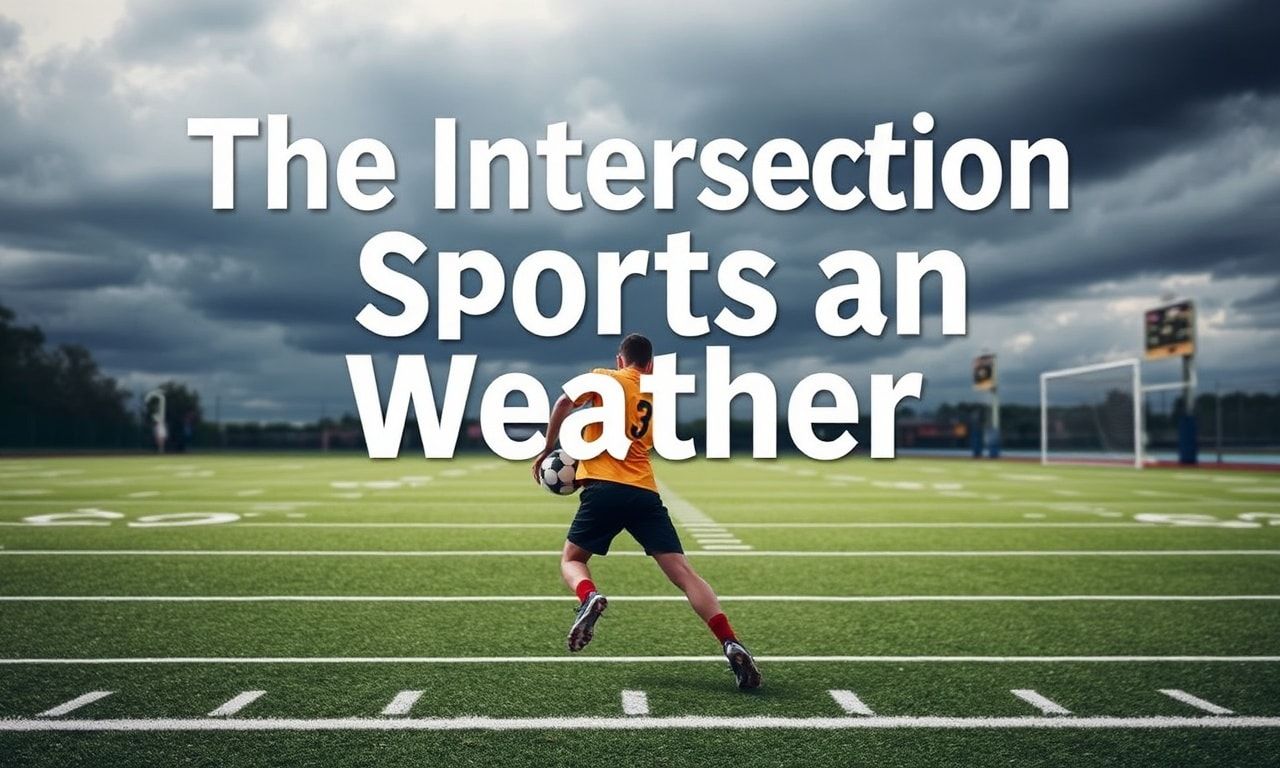
The Impact of Weather on Sports
In the world of sports, athletes and teams are constantly seeking ways to gain a competitive edge. While factors like training, strategy, and physical fitness are often at the forefront of discussions, one critical element that is sometimes overlooked is the weather. The impact of weather on athletic performance can be profound, influencing everything from player comfort to the outcome of a game. Understanding how different weather conditions affect various sports can provide valuable insights for athletes, coaches, and even bettors.
Temperature and Performance
Temperature is one of the most significant weather factors affecting athletic performance. High temperatures can lead to dehydration, heat exhaustion, and reduced endurance, while cold temperatures can cause muscle stiffness and decreased reaction times. For example, in endurance sports like marathon running, high temperatures can significantly slow down race times. Conversely, in team sports like soccer or basketball, extreme heat can lead to more frequent substitutions and shorter playing stamina. Athletes often need to adjust their training and hydration strategies based on the Pakistan weather forecast today update or other relevant weather predictions to optimize their performance.
Humidity and Comfort
Humidity levels can also play a crucial role in athletic performance. High humidity can make it feel much hotter than the actual temperature, as it reduces the body’s ability to cool itself through sweat evaporation. This can lead to increased fatigue and a higher risk of heat-related illnesses. In contrast, low humidity can cause dehydration and respiratory issues. Sports like cycling and long-distance running are particularly affected by humidity, as athletes need to manage their fluid intake carefully to avoid performance drops. Coaches and athletes often monitor humidity levels to adjust their training schedules and strategies accordingly.
The Role of Wind in Sports
Wind is another weather element that can significantly impact sports performance. In outdoor sports like golf, wind direction and speed can alter the trajectory of a ball, requiring players to adjust their shots accordingly. In cycling, a strong headwind can slow down riders, while a tailwind can provide a speed boost. Even in team sports like soccer, wind can affect the flight of the ball, making it harder to predict its path. Athletes and teams often practice in various wind conditions to adapt their techniques and strategies, ensuring they are prepared for any weather scenario.
Precipitation and Game Conditions
Precipitation, whether in the form of rain, snow, or sleet, can dramatically alter the conditions of a sporting event. Rain can make fields slippery and affect the grip of players’ shoes, while snow can make it difficult to see or move. In sports like soccer and rugby, rain can make the ball slippery, affecting the accuracy of passes and kicks. In winter sports like skiing and snowboarding, snow conditions can vary greatly, impacting the speed and safety of the athletes. Teams and athletes often need to adapt their strategies and equipment based on the expected weather conditions to ensure optimal performance.
Adapting to Weather Conditions
Given the significant impact of weather on sports, athletes and teams need to be proactive in adapting to different conditions. This can involve adjusting training schedules, modifying equipment, and developing strategies that account for specific weather scenarios. For example, in hot and humid conditions, athletes might wear lighter clothing and increase their fluid intake. In cold conditions, they might wear layers to stay warm and flexible. Additionally, understanding the Pakistan weather forecast today update or other relevant weather updates can help athletes and teams prepare for upcoming events, ensuring they are ready to perform at their best regardless of the weather.
In conclusion, the intersection of sports and weather is a complex and fascinating area that can significantly impact athletic performance. By understanding how different weather conditions affect various sports, athletes and teams can better prepare and adapt, gaining a competitive edge. Whether it’s adjusting training schedules, modifying equipment, or developing new strategies, being aware of the weather’s role in sports can lead to better performance and more successful outcomes.
Delve into the fascinating journey of human athletic prowess and discover how sports have evolved dramatically in our latest feature, exploring the transformative power of athletics and fitness over the decades.
As athletes and fitness enthusiasts embrace technology, discover how wireless charging shapes ecommerce and connects modern consumers.
As we gear up for the new year, don’t miss out on the latest trends shaping the athletic and fitness world—discover what’s next in 2024’s sports fashion revolution and elevate your game!