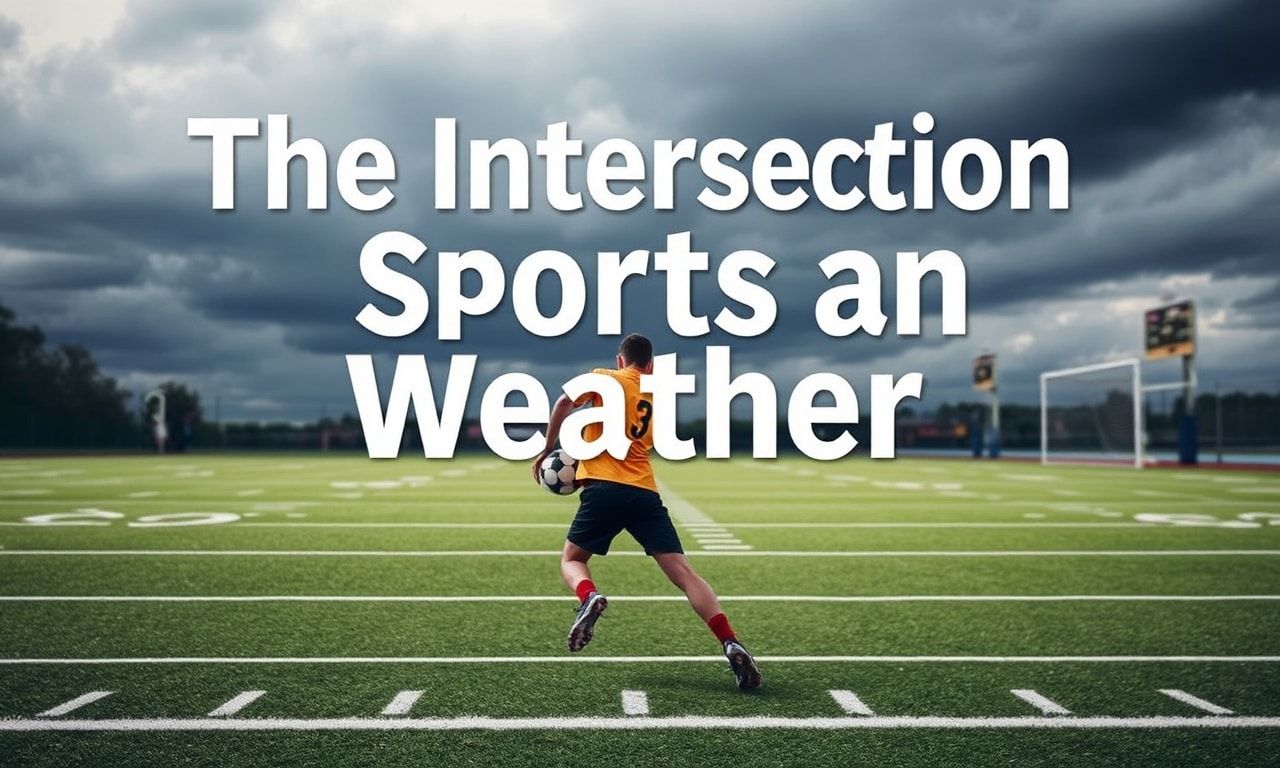
The Impact of Weather on Sports
Weather conditions play a pivotal role in the world of sports, influencing everything from player performance to game strategies. Athletes and teams must adapt to various climatic conditions, which can significantly affect their outcomes. Understanding how different weather patterns impact sports can provide a competitive edge, whether you’re an athlete, coach, or even a sports bettor.
For instance, in outdoor sports like football, basketball, and athletics, weather conditions such as temperature, humidity, wind speed, and precipitation can alter the dynamics of the game. High temperatures can lead to dehydration and fatigue, while cold weather can affect muscle performance and increase the risk of injuries. Wind can influence the trajectory of balls in sports like golf and baseball, making it a crucial factor to consider.
In cities like Istanbul, where the weather can be unpredictable, athletes often rely on accurate hava durumu tahmini İstanbul Anadolu to prepare for their training sessions and competitions. Being aware of the weather forecast allows them to adjust their strategies and equipment accordingly, ensuring optimal performance.
Temperature and Athletic Performance
Temperature is one of the most critical weather factors affecting athletic performance. High temperatures can lead to heat stress, which can impair cognitive function and reduce endurance. Athletes performing in hot conditions need to stay hydrated and take breaks to avoid heat-related illnesses. Conversely, cold temperatures can cause muscles to stiffen, reducing flexibility and increasing the risk of injuries.
Sports like marathon running and cycling are particularly sensitive to temperature changes. In hot weather, runners may need to adjust their pace to avoid overheating, while cyclists might need to wear appropriate gear to stay cool. In cold weather, both athletes and spectators need to dress in layers to maintain body temperature and prevent hypothermia.
Humidity and Its Effects
Humidity, or the amount of moisture in the air, can also impact athletic performance. High humidity levels can make it feel hotter than it actually is, leading to increased sweat production and faster dehydration. This can be particularly challenging for endurance athletes who need to maintain their energy levels over extended periods.
In sports like swimming and water polo, high humidity can make the air feel heavy, affecting breathing and reducing stamina. Athletes in these sports need to be extra vigilant about their hydration levels and take regular breaks to cool down. On the other hand, low humidity can cause the body to lose moisture more quickly, leading to dry skin and respiratory issues.
The Role of Wind in Sports
Wind speed and direction can significantly impact the performance of athletes in sports like golf, baseball, and soccer. In golf, wind can affect the trajectory of the ball, making it harder to predict where it will land. Golfers need to adjust their swing and club selection based on wind conditions to ensure accurate shots.
In baseball, wind can influence the flight of the ball, making it easier or harder for batters to hit home runs. Pitchers also need to consider wind conditions when throwing, as it can affect the speed and movement of the ball. In soccer, wind can make it more challenging to control the ball, affecting the accuracy of passes and shots.
Precipitation and Sports
Precipitation, in the form of rain, snow, or hail, can have a significant impact on sports. Rain can make playing surfaces slippery, increasing the risk of injuries. In sports like football and soccer, rain can make the ball harder to control, affecting the accuracy of passes and shots. Snow can make it difficult to see and move, while hail can cause injuries if it falls with sufficient force.
Athletes and teams need to be prepared for all types of precipitation. They should have appropriate gear, such as waterproof jackets and non-slip shoes, to ensure they can perform at their best regardless of the weather conditions. Coaches should also have contingency plans in case of extreme weather, such as postponing or rescheduling games.
Adapting to Weather Conditions
Adapting to weather conditions is crucial for athletes and teams to perform at their best. This involves not only adjusting their strategies and equipment but also understanding how different weather patterns can affect their performance. Athletes should stay informed about the weather forecast and plan accordingly.
For example, in hot weather, athletes should wear light-colored, breathable clothing to stay cool and hydrate regularly to prevent dehydration. In cold weather, they should wear layers to maintain body temperature and warm up thoroughly before starting their activity. In windy conditions, they should adjust their techniques to account for the wind’s effect on their performance.
Teams should also have a plan in place for dealing with extreme weather conditions. This might include having backup locations for training or competitions, or having a protocol for postponing or rescheduling events. By being prepared, athletes and teams can minimize the impact of weather on their performance and ensure they can compete at their best.
Understanding the impact of weather on sports is essential for athletes, coaches, and fans alike. By being aware of how different weather conditions can affect performance, athletes can take steps to adapt and perform at their best. Whether you’re an athlete looking to improve your performance or a sports bettor looking for an edge, understanding the role of weather in sports can provide valuable insights.
Ready to take your athletic style to the next level? Discover how accessorizing can transform your look and make you stand out on and off the field.
As athletes and fitness enthusiasts, it’s crucial to understand how weather affects performance, and our latest piece climate impact on sports offers essential tips to adapt and excel in any condition.
Eager to boost your athletic performance and reach new heights? Check out our essential tips for athletes to help you elevate your game and stay ahead of the competition.