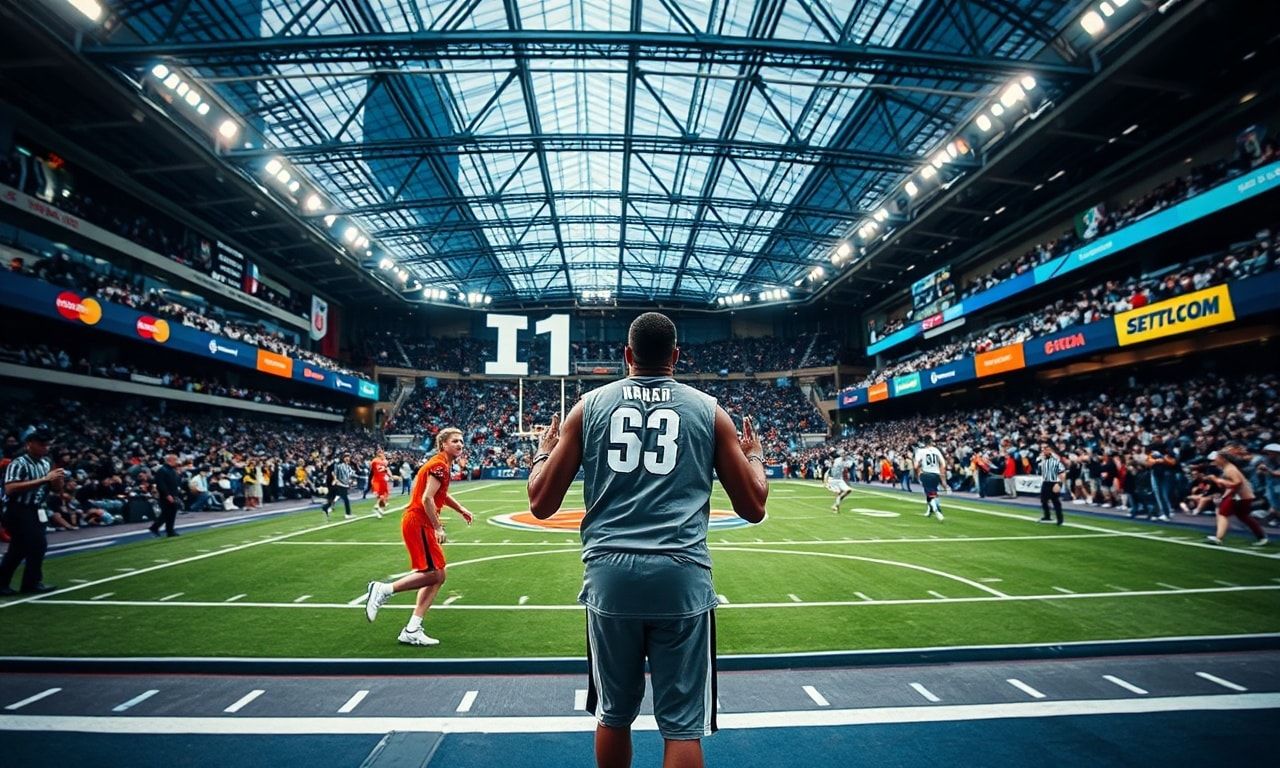
The Evolution of Sports Stadiums
The world of sports is constantly evolving, and one of the most exciting developments is the transformation of sports stadiums into multifunctional hubs that cater to more than just the game. These modern arenas are becoming integral parts of urban landscapes, fostering community engagement and economic growth. The integration of sports facilities with urban development projects is creating a new era of fan experience and city planning.
The Rise of Mixed-Use Sports Districts
Gone are the days when sports stadiums were standalone structures with minimal interaction with their surroundings. Today, we see a rise in mixed-use sports districts that combine stadiums with retail spaces, restaurants, hotels, and even residential areas. These districts not only enhance the fan experience but also contribute to the local economy by attracting tourists and creating jobs. For instance, the Mercedes-Benz Stadium in Atlanta, home to the NFL’s Atlanta Falcons and MLS’s Atlanta United, is a prime example of a venue that has become a focal point for urban development.
Bauprojekte Stadtentwicklung and Sports Infrastructure
In Europe, the concept of integrating sports infrastructure with urban development is gaining traction. Cities are increasingly investing in Bauprojekte Stadtentwicklung (urban development projects) that include state-of-the-art sports facilities. These projects aim to revitalize urban areas, improve public transportation, and create vibrant community spaces. By doing so, they not only enhance the quality of life for residents but also attract major sporting events that can put the city on the global map.
For example, the redevelopment of the Olympic Park in Munich has transformed the area into a hub for sports, leisure, and entertainment. The park now hosts a variety of sports events and has become a popular destination for both locals and tourists. This kind of urban planning demonstrates how sports facilities can be seamlessly integrated into the fabric of a city, benefiting both athletes and residents alike.
The Impact on Fan Experience
The integration of sports stadiums with urban development projects has significantly enhanced the fan experience. Fans no longer have to worry about finding parking or dealing with traffic congestion. Instead, they can enjoy a day out that includes shopping, dining, and entertainment before or after the game. This holistic approach to sports and urban planning ensures that fans have a memorable experience from the moment they arrive until they leave.
Technological Advancements
Modern sports stadiums are equipped with cutting-edge technology that enhances the fan experience. High-definition screens, mobile apps for seat upgrades and concessions, and Wi-Fi connectivity are just a few examples of how technology is being used to create a more immersive environment. Additionally, smart stadiums are incorporating sustainable practices, such as solar panels and rainwater harvesting, to reduce their environmental impact.
For instance, the Allegiant Stadium in Las Vegas, home to the NFL’s Las Vegas Raiders, features a transparent ETFE roof that allows natural light to filter in while protecting fans from the elements. The stadium also includes advanced acoustics and state-of-the-art video boards, ensuring that every seat offers an optimal viewing experience. These technological advancements not only improve the fan experience but also set new standards for future sports venues.
The Economic and Social Benefits
The integration of sports stadiums with urban development projects brings numerous economic and social benefits. These projects create jobs, attract investment, and stimulate local economies. They also foster a sense of community by providing spaces where people can gather, socialize, and celebrate their shared love for sports.
Community Engagement
Sports stadiums that are part of larger urban development projects often include community spaces such as parks, playgrounds, and recreational facilities. These spaces encourage physical activity and provide a venue for community events and gatherings. By creating a sense of belonging and pride, these projects help to strengthen the social fabric of the community.
For example, the Tottenham Hotspur Stadium in London is not just a venue for football matches but also a community hub that hosts a variety of events, including concerts, conferences, and local festivals. The stadium’s design includes public spaces and green areas that are accessible to the community, fostering a sense of inclusivity and engagement.
Attracting Major Events
Cities with well-integrated sports infrastructure are more likely to attract major sporting events, such as the Olympics, World Cup, and other international competitions. These events bring global attention, boost tourism, and leave a lasting legacy for the host city. The infrastructure developed for these events can be repurposed for future use, ensuring long-term benefits for the community.
For instance, the 2012 London Olympics transformed the Stratford area into a vibrant sports and entertainment district. The Olympic Park now hosts a variety of events and has become a popular destination for both locals and tourists. This transformation demonstrates how sports infrastructure can drive urban development and create a lasting impact on the community.
Conclusion
The integration of sports stadiums with urban development projects is revolutionizing the way we think about sports facilities and their role in the community. By creating multifunctional hubs that cater to the needs of fans, residents, and businesses, these projects are enhancing the fan experience, driving economic growth, and fostering a sense of community. As cities continue to invest in Bauprojekte Stadtentwicklung that include state-of-the-art sports facilities, we can expect to see even more innovative and sustainable solutions that benefit both athletes and residents alike.
Fuel your ambition both on and off the field with our guide to smart financial planning strategies, designed to help you build wealth and secure your future.
To fuel your competitive spirit and understand the forces shaping the global sports landscape, dive into Thailand’s economic and global trends.
To fuel your passion for a balanced life, discover tips for a fulfilling Frankfurt life that can help you create a stronger foundation both at home and in your relationships, essential for maintaining peak performance in all areas, including sports.