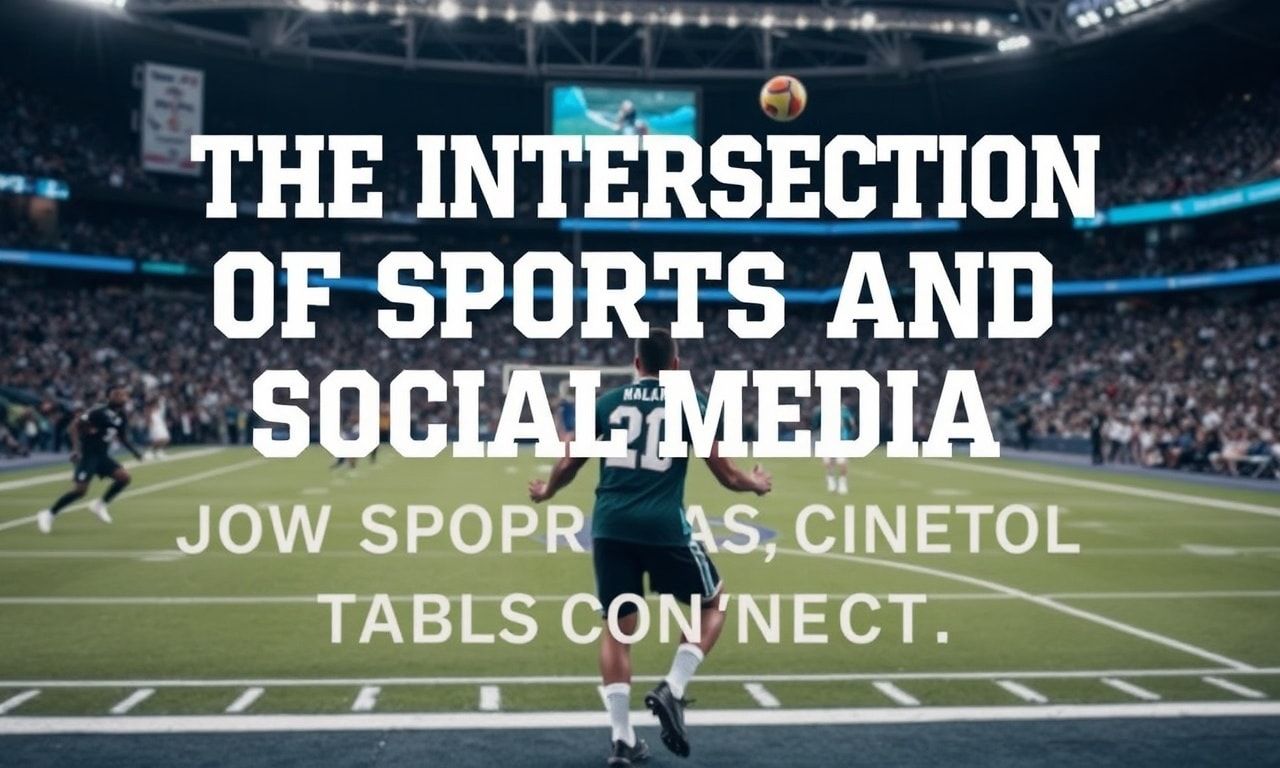
The Digital Age of Sports
The world of sports has always been a dynamic and engaging arena, but the digital age has added a new dimension to how athletes and fans interact. Social media platforms have become essential tools for athletes to connect with their followers, share their journeys, and build personal brands. This article explores the fascinating intersection of sports and social media, highlighting how these platforms have transformed the way we experience and engage with sports.
The Rise of Athlete Influencers
Gone are the days when athletes were only known for their performances on the field. Today, many athletes have become influential figures on social media, leveraging their platforms to inspire and engage with a global audience. Platforms like Instagram, Twitter, and TikTok have allowed athletes to share behind-the-scenes glimpses of their training routines, personal lives, and philanthropic efforts. This not only humanizes them but also creates a deeper connection with their fans.
For instance, athletes like Serena Williams and LeBron James have millions of followers who eagerly await their posts. These athletes use their influence to promote causes they care about, from social justice to environmental sustainability. This dual role as both athletes and influencers has redefined the concept of celebrity in the sports world.
The Impact on Fan Engagement
Social media has revolutionized fan engagement, making it more interactive and immediate. Fans can now directly interact with their favorite athletes, sharing their support, asking questions, and even participating in live Q&A sessions. This direct line of communication has made fans feel more connected to the athletes they admire, fostering a sense of community and loyalty.
Moreover, social media platforms have become a hub for sports news and updates. Fans can stay informed about their favorite teams and athletes in real-time, thanks to live tweets, Instagram stories, and Facebook updates. This constant stream of information keeps fans engaged and informed, enhancing their overall sports experience.
The Role of Social Media in Sports Marketing
Social media has also become a powerful tool for sports marketing. Teams and leagues use these platforms to promote their brands, share news, and engage with fans. From live-tweeting games to running social media campaigns, sports organizations are constantly finding new ways to leverage social media to their advantage.
One notable example is the National Football League (NFL), which has a strong presence on various social media platforms. The NFL uses these platforms to share highlights, behind-the-scenes content, and player interviews, keeping fans engaged throughout the year. This strategic use of social media has helped the NFL maintain its popularity and grow its fan base.
The Challenges and Controversies
While social media has brought numerous benefits to the world of sports, it has also presented some challenges and controversies. The instant nature of social media can sometimes lead to miscommunication or controversy. Athletes have to be cautious about what they post, as their words and actions can have significant consequences.
For example, athletes have faced backlash for controversial tweets or posts, which can sometimes escalate into larger issues. This highlights the importance of social media literacy and the need for athletes to be mindful of their online presence. Additionally, the pressure to maintain a perfect image on social media can be overwhelming, leading to stress and anxiety for some athletes.
Building a Personal Brand
For many athletes, social media is a tool for building a personal brand. By sharing their stories, achievements, and personal interests, athletes can create a unique identity that resonates with their followers. This personal brand can open up new opportunities, from endorsement deals to business ventures.
For instance, athletes like Michael Jordan and Tiger Woods have built powerful personal brands that extend beyond their sports careers. Their social media presence has played a significant role in shaping their public image and expanding their influence. This demonstrates the power of social media in building and maintaining a personal brand in the sports world.
If you’re an athlete looking to grow your social media presence, consider using an Instagram follower service for coastal lovers to connect with a wider audience. This can be a great way to reach fans who share your passion for the coast and the outdoors, creating a community around your personal brand.
The Future of Sports and Social Media
The future of sports and social media is bright and full of possibilities. As technology continues to evolve, we can expect to see even more innovative ways for athletes and fans to connect. Virtual reality, augmented reality, and artificial intelligence are just a few of the technologies that could revolutionize the way we experience sports.
For example, virtual reality could allow fans to attend games remotely, giving them a front-row seat to the action. Augmented reality could enhance the viewing experience by providing real-time statistics and insights. These advancements could make sports more accessible and engaging for fans around the world.
In conclusion, the intersection of sports and social media has transformed the way we engage with athletes and teams. From building personal brands to fostering fan engagement, social media has become an integral part of the sports landscape. As we look to the future, the possibilities are endless, and the connection between sports and social media will only continue to grow.
As athletes and teams navigate the digital landscape, understanding the impact of social media on current events is crucial; dive into social media’s role in sports for a unique perspective.
Discover how cutting-edge technology is transforming the way we experience sports with action cameras in athletics, offering unprecedented perspectives and insights.