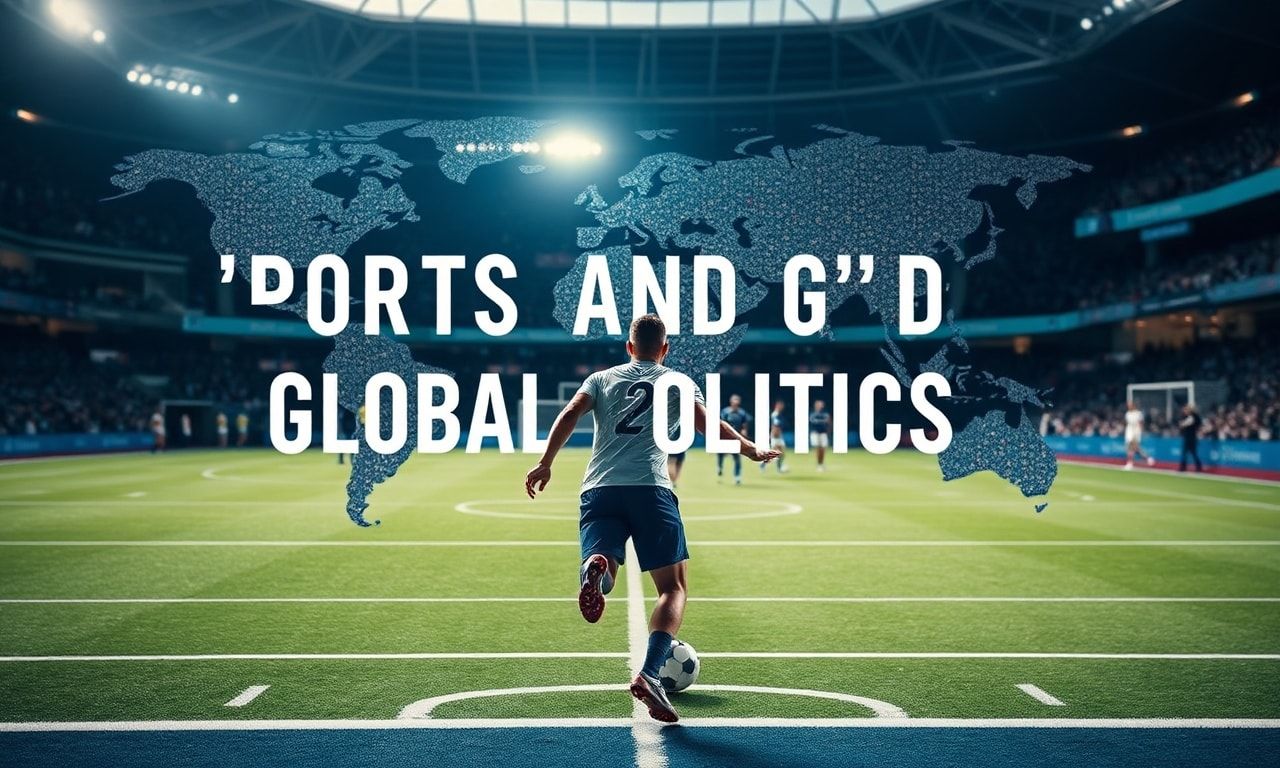
The Power of Sports in Shaping International Relations
Sports have always been more than just games; they are a universal language that transcends borders and cultures. The world of sports is a microcosm of global politics, where nations come together to compete, collaborate, and sometimes, clash. The impact of sports on international relations is profound, influencing diplomacy, trade, and even conflict resolution. Understanding this dynamic can provide valuable insights into the broader geopolitical landscape.
The Role of Major Sporting Events
Major sporting events like the Olympics, FIFA World Cup, and Commonwealth Games are not just about athletic prowess; they are stages for nations to showcase their strengths and foster goodwill. These events bring together athletes from diverse backgrounds, promoting unity and mutual respect. For instance, the Olympics have been a platform for nations to engage in peaceful competition, often leading to improved diplomatic ties. The 1991 Commonwealth Games in Auckland, New Zealand, saw the participation of South Africa after the end of apartheid, marking a significant step towards the country’s reintegration into the international community.
Moreover, these events often lead to economic benefits for the host countries, including increased tourism and investment. The hosting of such events can also highlight a nation’s cultural heritage and technological advancements. However, the political implications can be complex. For example, the decision to award the 2022 FIFA World Cup to Qatar has been controversial, with critics pointing to the country’s human rights record. This shows how sports can become a battleground for political and social issues.
The Influence of Sports Diplomacy
Sports diplomacy, the use of sports to build bridges between nations, has been a powerful tool in international relations. The famous ‘Ping Pong Diplomacy’ between the United States and China in the 1970s is a classic example. The exchange of table tennis players paved the way for a historic visit by President Nixon to China, leading to a thaw in Sino-American relations. Similarly, the ‘Cricket Diplomacy’ between India and Pakistan has been a recurring theme, with matches often serving as a platform for dialogue and reconciliation.
Sports diplomacy is not limited to high-profile events. Grassroots initiatives, such as youth exchange programs and community sports projects, also play a crucial role. These programs foster mutual understanding and cooperation at the local level, contributing to long-term peace and stability. The United Nations has recognized the potential of sports in promoting peace and development, declaring April 6th as the International Day of Sport for Development and Peace.
The Dark Side of Sports and Politics
While sports can be a force for good, they can also be manipulated for political gain. The use of sports to promote nationalist agendas or to suppress dissent is a growing concern. The 1936 Berlin Olympics, for instance, were used by the Nazi regime to project an image of Aryan superiority. More recently, the 2014 Winter Olympics in Sochi were seen as a platform for President Putin to showcase Russia’s strength and stability, amidst international criticism over human rights issues.
Sports can also become a battleground for political conflicts. The boycotting of sporting events, such as the 1980 and 1984 Olympics, was a reflection of the Cold War tensions between the United States and the Soviet Union. Similarly, the ongoing tensions between India and Pakistan often spill over into the sports arena, with matches becoming highly charged political events. The 2019 cricket match between the two nations was postponed due to political tensions, highlighting the delicate balance between sports and politics.
The Impact of Media and Technology
The role of media and technology in shaping the intersection of sports and politics cannot be overstated. The 24/7 news cycle and the rise of social media have amplified the political dimensions of sports. Athletes are no longer just sportspeople; they are influential figures who can shape public opinion and drive social change. For instance, Colin Kaepernick’s protest against racial injustice during the American national anthem sparked a global debate, showcasing the power of sports in addressing social issues.
Moreover, the internet has made it easier for fans to access international relations news analysis and discuss the political implications of sports. This has led to a more informed and engaged audience, capable of holding governments and sports organizations accountable. The rise of sports analytics has also provided new insights into the political dimensions of sports, with data-driven approaches shedding light on the complex interplay between sports and global politics.
The Future of Sports and International Relations
The future of sports in international relations is likely to be shaped by several factors, including the rise of new powers, the impact of climate change, and the evolution of technology. The growing influence of countries like China, India, and Brazil in global sports is set to redefine the geopolitical landscape. These nations are increasingly using sports to project their soft power and enhance their international standing.
Climate change is another critical issue that will impact the future of sports. The hosting of major sporting events is becoming increasingly challenging due to environmental concerns. The 2022 FIFA World Cup in Qatar, for instance, faced criticism over its carbon footprint and the treatment of migrant workers. As the world grapples with the effects of climate change, sports organizations will need to adopt more sustainable practices and promote environmental awareness.
Technology will continue to play a pivotal role in shaping the intersection of sports and politics. The use of artificial intelligence, virtual reality, and big data will provide new opportunities for sports diplomacy and fan engagement. However, these technologies also raise ethical and privacy concerns that need to be addressed. As the world becomes more interconnected, the role of sports in fostering global cooperation and understanding will only grow in importance.
In conclusion, the intersection of sports and global politics is a complex and dynamic field. Sports have the power to bring nations together, promote peace and development, and drive social change. However, they can also be manipulated for political gain and become a battleground for conflicts. As the world evolves, the role of sports in international relations will continue to be shaped by new challenges and opportunities. Understanding this dynamic is crucial for anyone interested in the broader geopolitical landscape.
As athletes and fitness enthusiasts increasingly turn to online platforms for their gear and supplements, understanding the e-commerce evolution can give you a competitive edge in the sports market.
Dive into the dynamic world of Italian football with our latest analysis, evolution of Serie A, and discover what the future holds for this beloved sport.
Discover how sports enthusiasts and athletes are leveraging cutting-edge tech with action cameras revolutionizing training and performance analysis.