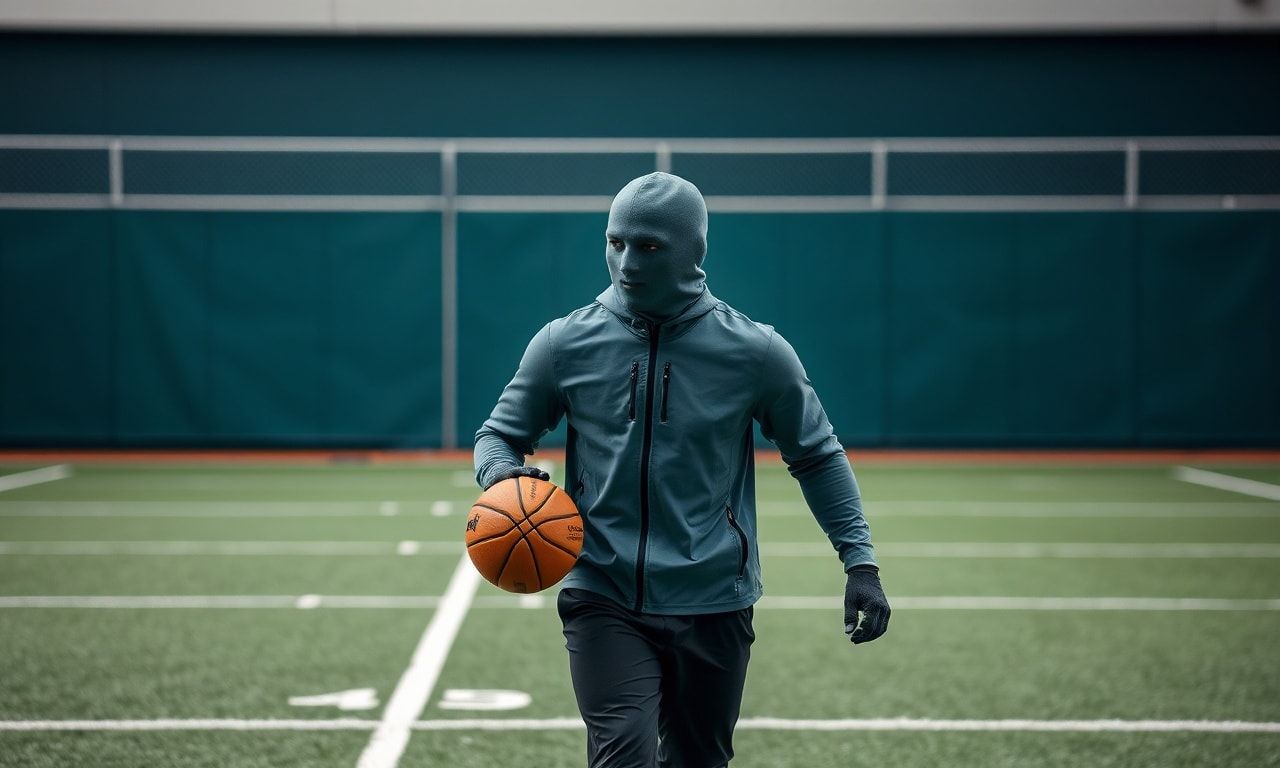
The Evolution of Sports Apparel
Sports apparel has come a long way from the simple, functional garments of the past. Today, it’s a multi-billion-dollar industry that blends performance, technology, and style. Athletes are not just judged on their performance but also on their fashion choices, both on and off the field. The right sportswear can enhance performance, boost confidence, and even influence team dynamics.
From moisture-wicking fabrics to compression gear, the advancements in sports apparel technology are staggering. These innovations help athletes perform at their peak, whether they’re running a marathon, playing a high-intensity football match, or competing in a swimming event. The intersection of sports and fashion is more prominent than ever, and it’s not just about looking good—it’s about performing better.
The Importance of Comfort and Performance
Comfort and performance are the cornerstones of modern sports apparel. Athletes need gear that moves with them, supports their bodies, and keeps them cool and dry. Fabrics like polyester, nylon, and spandex are commonly used for their durability, flexibility, and moisture-wicking properties. These materials help regulate body temperature, reduce chafing, and provide the necessary support for various sports activities.
For instance, a runner needs lightweight, breathable clothing that allows for a full range of motion. On the other hand, a football player might require more protective gear, such as padded shorts and compression shirts, to prevent injuries and enhance performance. The right sportswear can make a significant difference in an athlete’s performance and overall experience.
Seasonal Considerations
Seasonal changes also play a crucial role in sports apparel. Summer sports require lightweight, breathable fabrics that keep athletes cool and dry. For example, when looking for yaz giysileri neler satın almak 2026, athletes should consider moisture-wicking materials that help manage sweat and keep them comfortable during intense training sessions or competitions. Winter sports, on the other hand, demand insulated, waterproof, and windproof gear to protect athletes from harsh weather conditions.
Layering is key during colder months. Athletes often wear base layers made of thermal fabrics to retain body heat, mid-layers for insulation, and outer layers for protection against wind and rain. Brands like Nike, Adidas, and Under Armour offer a wide range of seasonal sportswear designed to meet the specific needs of athletes across different sports.
The Role of Branding and Team Identity
Branding and team identity are integral parts of sports apparel. Teams and athletes often collaborate with top sportswear brands to create custom kits that reflect their unique identity and values. These kits not only enhance team spirit but also serve as a marketing tool, helping brands reach a broader audience and athletes gain more visibility.
For example, the iconic jerseys of football clubs like Manchester United, Barcelona, and the New York Yankees are instantly recognizable and carry a significant cultural and historical value. These jerseys are not just pieces of clothing; they are symbols of pride, tradition, and excellence. The right sportswear can unite a team, inspire fans, and leave a lasting legacy in the world of sports.
Sustainability in Sports Apparel
Sustainability is becoming an increasingly important aspect of the sports apparel industry. As consumers become more environmentally conscious, brands are responding by adopting eco-friendly practices and materials. Recycled polyester, organic cotton, and biodegradable fabrics are some of the sustainable materials gaining popularity in the sportswear market.
Brands like Patagonia, Adidas, and Nike are leading the way in sustainable sports apparel. They are committed to reducing their environmental impact by using recycled materials, minimizing waste, and implementing ethical manufacturing practices. Athletes and fans alike are increasingly supporting these brands, recognizing the importance of sustainability in the sports industry.
The Future of Sports Apparel
The future of sports apparel is bright and full of potential. With advancements in technology, materials, and design, the possibilities are endless. Smart fabrics that monitor heart rate, hydration levels, and muscle activity are already making waves in the industry. These fabrics can provide real-time feedback to athletes, helping them optimize their performance and prevent injuries.
Virtual reality (VR) and augmented reality (AR) are also expected to play a significant role in the future of sports apparel. These technologies can enhance the design and fitting process, allowing athletes to visualize and customize their gear before it’s even produced. The integration of VR and AR in sports apparel can revolutionize the way athletes train, compete, and recover.
In conclusion, sports apparel is more than just clothing—it’s a vital component of an athlete’s performance, identity, and overall experience. As the industry continues to evolve, we can expect even more innovative and sustainable solutions that cater to the unique needs of athletes and fans alike. The intersection of sports and fashion is here to stay, and it’s an exciting time to be part of this dynamic and ever-changing landscape.