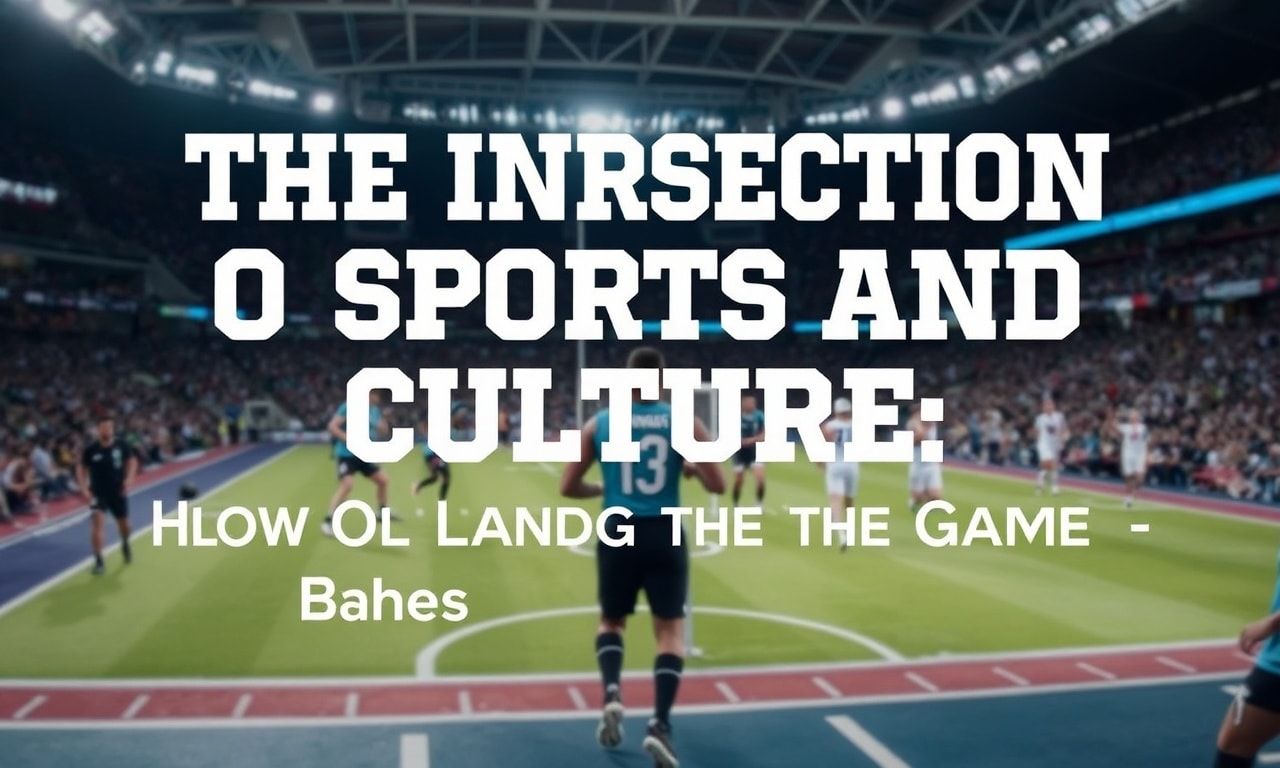
The Global Stage of Sports
Sports have always been a universal language, transcending borders and cultures. From the Olympics to the World Cup, these events bring together athletes and fans from all corners of the globe, creating a melting pot of traditions, beliefs, and practices. The influence of global events on sports is profound, shaping everything from game schedules to player rituals. Understanding this intersection can provide a deeper appreciation for the games we love and the cultures that enrich them.
The Impact of Religious Observances on Sports Schedules
One of the most significant ways global events influence sports is through religious observances. Many sports leagues and tournaments take into account the religious practices of their athletes and fans. For example, during the holy month of Ramadan, some leagues adjust their schedules to accommodate Muslim players who are fasting. Similarly, the timing of matches may be adjusted to align with prayer times. Athletes often observe these practices as a way to stay connected to their faith and culture, even while competing at the highest levels. Knowing the Asr prayer time can be crucial for Muslim athletes to balance their spiritual needs with their professional commitments.
Cultural Traditions and Superstitions in Sports
Cultural traditions and superstitions play a significant role in sports, often adding a layer of intrigue and excitement. From the pre-game rituals of athletes to the customs observed by fans, these practices are deeply rooted in cultural beliefs. For instance, the Mexican tradition of wearing a red underwear for good luck during the New Year’s Eve is mirrored in sports, where athletes might have their own lucky charms or rituals. These traditions not only add a personal touch to the game but also create a sense of community among players and fans. Understanding and respecting these cultural practices can foster a more inclusive and diverse sports environment.
The Role of National Holidays in Sports
National holidays also have a significant impact on sports schedules and events. Many leagues and tournaments take into account major holidays when planning their calendars. For example, the NFL often schedules games around the Thanksgiving holiday, creating a unique cultural experience for fans. Similarly, the NBA and NHL may adjust their schedules to avoid conflicts with major holidays like Christmas and New Year’s Day. These adjustments not only show respect for the cultural significance of these holidays but also provide an opportunity for athletes and fans to celebrate together, creating a memorable experience for everyone involved.
The Influence of Global Events on Sports Venues
Global events can also influence the design and layout of sports venues. Architects and planners often incorporate elements of local culture and tradition into the design of stadiums and arenas. For example, the Allianz Arena in Munich, Germany, features an exterior that can be illuminated in different colors to celebrate various events and holidays. Similarly, the stadiums in the Middle East often incorporate Islamic architectural elements, reflecting the cultural heritage of the region. These design choices not only enhance the aesthetic appeal of the venues but also create a sense of pride and identity for the local community.
Conclusion
The intersection of sports and culture is a rich and dynamic landscape, shaped by a variety of global events and traditions. From religious observances to national holidays, these influences add depth and meaning to the games we love. By understanding and respecting these cultural practices, we can foster a more inclusive and diverse sports environment, where athletes and fans from all backgrounds can come together to celebrate the universal language of sports.