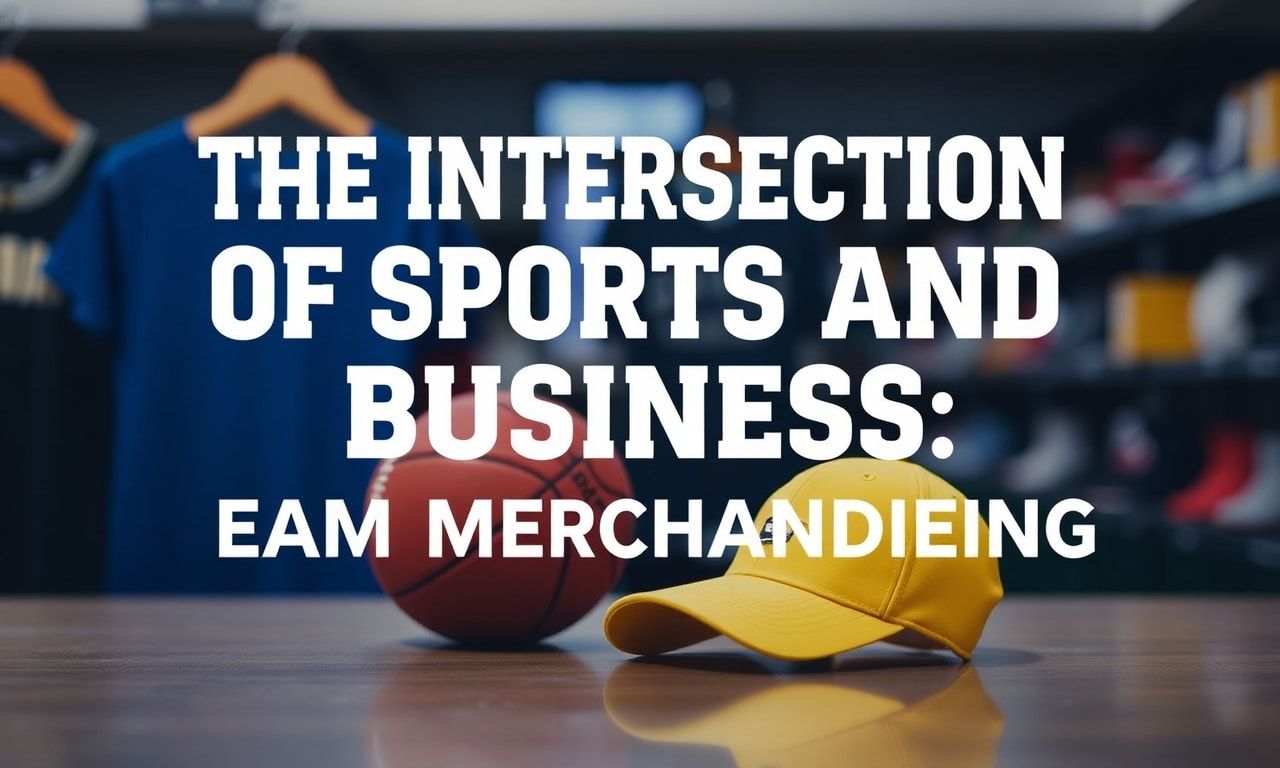
The Power of Sports Merchandising
Sports merchandising is a multi-billion dollar industry that plays a pivotal role in the financial success of sports teams and athletes. It’s not just about selling jerseys and hats; it’s about creating a brand that resonates with fans and turns them into lifelong supporters. From the NFL to the Premier League, merchandising has become a critical revenue stream that complements ticket sales and broadcasting rights.
Merchandising is more than just a business strategy; it’s a way for fans to express their loyalty and connect with their favorite teams and athletes. Whether it’s a jersey worn by a beloved player or a hat emblazoned with a team’s logo, these items become symbols of fandom and community. The emotional connection fans have with their teams is what drives the demand for sports merchandise.
The Role of Bulk Suppliers in Sports Merchandising
Behind the scenes, bulk suppliers play a crucial role in the sports merchandising ecosystem. These suppliers provide teams and retailers with the products they need to meet the demands of fans. Finding the right toptan satış tedarikçi karşılaştırma can be a game-changer for teams looking to maximize their merchandising revenue. By partnering with reliable suppliers, teams can ensure they have a steady stream of high-quality products to sell to their fans.
Bulk suppliers offer a range of products, from apparel to accessories, and often provide customization options to help teams create unique merchandise. This flexibility allows teams to cater to the diverse preferences of their fan base and keep their merchandise offerings fresh and exciting. Additionally, bulk suppliers can help teams manage inventory more efficiently, reducing waste and improving profitability.
Strategies for Effective Sports Merchandising
Effective sports merchandising requires a strategic approach that considers both the needs of the fans and the business objectives of the team. Here are some key strategies for maximizing the potential of sports merchandising:
- Understand Your Fan Base: Knowing what your fans want is the first step in creating successful merchandise. Conduct surveys, analyze sales data, and engage with fans on social media to gain insights into their preferences.
- Offer a Variety of Products: Diversify your merchandise offerings to cater to different types of fans. This could include apparel, accessories, home goods, and even digital products like wallpapers and ringtones.
- Leverage Technology: Use technology to enhance the merchandising experience. This could include virtual try-on tools, augmented reality, or personalized recommendations based on past purchases.
- Create Limited Edition Items: Limited edition merchandise creates a sense of urgency and exclusivity, driving fans to make purchases before items sell out.
- Partner with Influencers: Collaborate with athletes, coaches, and other influencers to promote your merchandise. Their endorsement can significantly boost sales and increase brand awareness.
The Impact of Merchandising on Team Loyalty
Merchandising is not just about generating revenue; it’s also about fostering a sense of community and loyalty among fans. When fans wear their team’s merchandise, they become walking billboards, spreading the team’s brand and attracting new supporters. This visibility can have a positive impact on the team’s popularity and success both on and off the field.
Moreover, merchandising can create a sense of belonging and identity for fans. Wearing a team’s jersey or hat can make fans feel like they are part of something bigger than themselves. This emotional connection can lead to increased engagement, higher ticket sales, and a more passionate fan base overall.
The Future of Sports Merchandising
The sports merchandising industry is constantly evolving, driven by advancements in technology and changing consumer preferences. Here are some trends that are shaping the future of sports merchandising:
- Personalization: Fans increasingly want merchandise that reflects their individuality. Teams are responding by offering customization options, such as personalized names and numbers on jerseys.
- Sustainability: As consumers become more environmentally conscious, teams are focusing on sustainable merchandising practices. This includes using eco-friendly materials, reducing waste, and implementing recycling programs.
- Digital Integration: The rise of digital platforms has opened up new opportunities for sports merchandising. Teams are leveraging social media, e-commerce, and mobile apps to reach a global audience and offer a seamless shopping experience.
- Experiential Merchandising: Teams are creating immersive experiences that go beyond traditional merchandise. This could include interactive displays, virtual reality experiences, or exclusive access to events for merchandise buyers.
In conclusion, sports merchandising is a dynamic and multifaceted industry that plays a vital role in the success of sports teams and the engagement of their fans. By understanding the needs of their fan base, leveraging technology, and embracing innovation, teams can maximize their merchandising revenue and build a loyal and passionate fan community. Whether it’s through bulk suppliers, strategic partnerships, or cutting-edge technology, the future of sports merchandising is bright and full of opportunities.
To fuel your athletic journey and maximize performance, dive into our expert guide on essential nutrition for athletes and discover the power of proper nutrition.
Dive into the world of elite sports with our latest piece, fitness and athlete training, and discover how modern techniques are reshaping the game for teams and athletes alike.
As we strive for excellence in our athletic pursuits, let’s not forget the spiritual tools that have guided athletes for centuries; delve into the power of sacred symbols and their role in Catholic tradition.