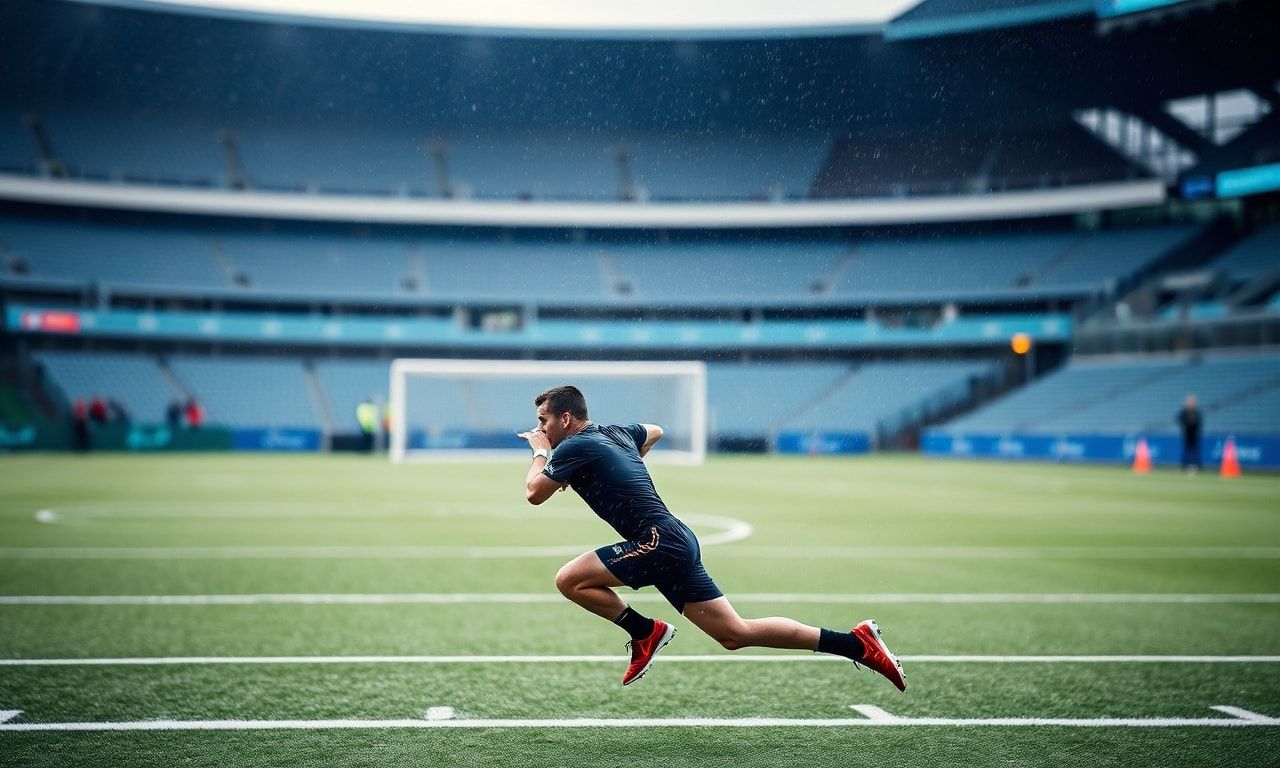
The Intersection of Weather and Sports
In the world of sports, athletes are constantly pushing the boundaries of human potential. However, one often overlooked factor that can significantly influence performance is the weather. From the sweltering heat of an August football match to the biting cold of a winter marathon, weather conditions can either be an athlete’s ally or adversary. Understanding and adapting to these conditions is crucial for both amateur and professional athletes aiming to excel in their respective sports.
Understanding Weather’s Role in Sports
Weather conditions such as temperature, humidity, wind speed, and precipitation can have a profound impact on athletic performance. For instance, high temperatures and humidity can lead to dehydration and heat exhaustion, while cold weather can cause muscle stiffness and reduced flexibility. Wind speed and direction can affect the trajectory of a ball in sports like golf, baseball, and football. Athletes and coaches must be aware of these factors and plan their strategies accordingly.
To stay ahead of the game, many athletes and teams rely on a responsive weather forecast platform to get real-time updates and accurate predictions. This allows them to make informed decisions about training schedules, equipment choices, and game-day strategies. For example, a soccer team might opt for a more possession-based game plan on a windy day to minimize the impact of unpredictable ball movement.
Adapting to Different Weather Conditions
Adapting to varying weather conditions is a skill that separates good athletes from great ones. Here are some ways athletes can adapt to different weather scenarios:
- Hydration and Nutrition: In hot and humid conditions, athletes must ensure they are adequately hydrated and consume the right nutrients to maintain energy levels and prevent heat-related illnesses.
- Equipment Choices: Choosing the right gear can make a significant difference. For example, lightweight and breathable clothing can help in hot weather, while layered clothing can provide warmth in cold conditions.
- Training Adjustments: Athletes should adjust their training routines based on weather conditions. For instance, early morning or late evening training sessions can be more effective in hot weather to avoid peak sun hours.
- Mental Preparation: Mental resilience is crucial when facing adverse weather conditions. Athletes should practice visualization techniques and mental conditioning to stay focused and motivated.
Case Studies: Weather’s Impact on Major Sports Events
The impact of weather on sports is evident in numerous high-profile events. For example, the 2018 FIFA World Cup in Russia saw teams adapt to the extreme cold and unpredictable weather conditions in some of the host cities. Similarly, the 2020 Summer Olympics in Tokyo were held under strict COVID-19 protocols, but the athletes also had to contend with the intense heat and humidity of the Japanese summer.
In the world of golf, the 2015 U.S. Open at Chambers Bay was heavily influenced by the windy and unpredictable weather conditions. The course’s links-style layout, combined with the strong winds, made it one of the most challenging U.S. Opens in recent history. The winner, Jordan Spieth, had to adapt his strategy on the fly, demonstrating the importance of flexibility and adaptability in sports.
The Role of Technology in Weather Adaptation
Technology has played a pivotal role in helping athletes adapt to different weather conditions. Advanced weather forecasting tools, such as the responsive weather forecast platform, provide real-time data and accurate predictions, allowing athletes and coaches to make informed decisions. Wearable technology, such as smartwatches and fitness trackers, can monitor an athlete’s vital signs and provide insights into how their body is responding to environmental conditions.
Additionally, sports science research has led to the development of specialized equipment and training methods tailored to specific weather conditions. For example, athletes can use altitude training masks to simulate high-altitude conditions and improve their endurance. Similarly, heat chambers can be used to acclimatize athletes to hot and humid environments, reducing the risk of heat-related illnesses during competitions.
Conclusion: Embracing the Challenge of Weather
Weather is an ever-present factor in the world of sports, and athletes must be prepared to adapt and thrive in any condition. By understanding the impact of weather on performance, making informed decisions, and leveraging technology, athletes can gain a competitive edge and achieve their goals. Whether it’s a sweltering summer day or a freezing winter night, the ability to adapt to weather conditions is a skill that sets champions apart.
As the sports world continues to evolve, the role of weather in athletic performance will only become more critical. Athletes and coaches must stay informed, embrace new technologies, and continuously seek ways to improve their adaptability. By doing so, they can overcome the challenges posed by weather and reach new heights in their athletic careers.