
Publish local events in the USA: practical guide for sports sites
A clear, concrete guide for sports readers on how to publish local events in the USA, with steps, tips, and cautious notes for accurate listings.

If you’re running a sports site and want to serve local communities, publishing accurate local events is essential. This guide shows a practical path from basics to robust options that fit sports readers’ needs. You’ll learn how to frame events, verify details, and pick platforms that maximize visibility for athletes, teams, and fans.
Focus on concrete actions that improve accuracy and engagement. You’ll see the steps to collect reliable event data, how to present it clearly, and where to post for best reach. The aim is to help readers quickly publish trustworthy listings that support local teams and events.
Each paragraph here builds toward a simple workflow: capture the event, confirm details, publish with clear formatting, and monitor feedback. The emphasis stays on accuracy, usefulness, and speed so readers can act now without extra friction.
- Publish local events in the USA with a practical, repeatable process that starts from accurate data and ends with clear, engaging listings.
- Verify every detail against official sources, log confirmations, and publish with consistency to build trust.
- Choose the right platforms based on reader habits, then update promptly when changes occur, keeping content accessible and actionable.
- A well-managed calendar supports teams, leagues, and fans by delivering reliable information in a compact, reader-friendly format.
Basics to publish local events
Event data essentials
Start with core details: date, time, venue, and contact. Double-check spelling for teams and cities to avoid confusion. Include a brief description that helps readers decide relevance quickly. publish local events in the USA
- ☐ Collect key details (date, time, venue)
- ☐ Verify names and locations
- ☐ Confirm contact options
- ☐ Publish with consistent formatting
Keep the format consistent across posts so fans know what to expect. Use a simple, neutral voice that matches sports reporting styles. Check the listing for accuracy before publishing.
Proofread the entry and confirm all links work; imperfect listings reduce trust and clicks.
- Date and time clearly stated
- Venue address verified
- Double-checked team names
- Contact method visible
- Description concise and relevant
Choosing the right platform
Assess where local readers look for events: team pages, community calendars, or regional sports forums. This choice shapes who sees your listing and when it’s updated.
Consider a lightweight sponsorship or pin on high-traffic pages to boost visibility for important events. A consistent posting cadence keeps readers informed without overwhelming them.
Test posting times to match local habits; morning updates often catch readers planning weekend activities.
- Team pages
- Community calendars
- Regional forums
- Seasonal newsletters
How to verify details quickly
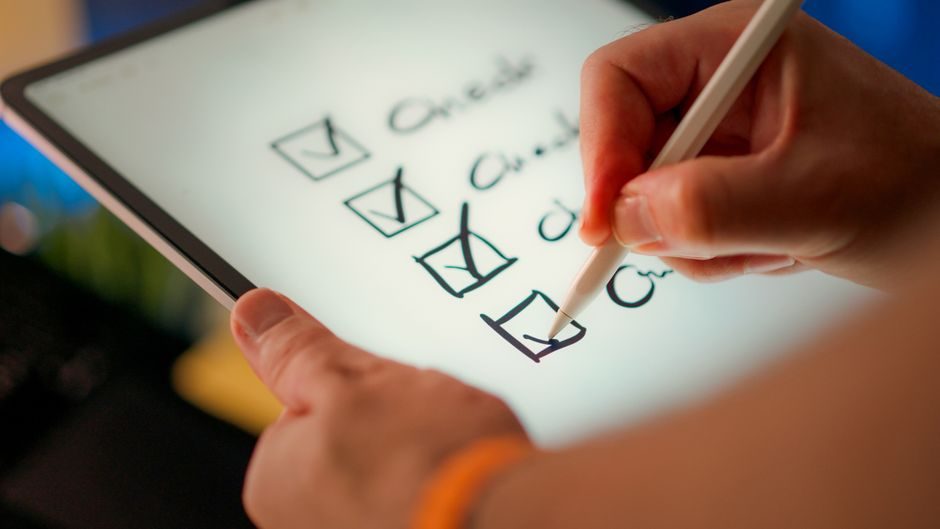
Cross-checking sources
Start with official sources: league calendars, venue websites, and team rosters. Cross-check two independent sources before publishing. This reduces errors that frustrate readers and organizers. A useful resource on this topic: Guest Posting Forum USA news.
- Identify official sources
- Cross-check with two independent sources
- Contact organizers for confirmation
- Document the confirmation date
If details are unclear, reach out directly via a clean contact method and log responses. Record the date of confirmation in the listing.
Use a quick verification template to standardize checks across posts so staff can reproduce the process fast.
- Official calendars
- Venue pages
- Direct confirmations
- Clear confirmation log
- Standard verification template
Handling last-minute changes
Events shift for many reasons; you must adjust listings promptly to protect credibility. Communicate changes with a brief notice and update the publication date to show activity.
Have a fallback plan for missing details: indicate tentative times or note that updates are forthcoming.
Offer readers a way to report corrections to keep listings trustworthy.
- Post timely updates
- Mark tentative details
- Provide correction channel
What makes a listing useful
Clarity over clutter
A clean, scannable listing helps readers decide quickly if the event fits their interests. Use bullets for key facts and a short two-sentence impact statement. A useful resource on this topic: business directory in the USA.
Avoid crowding the page with secondary notes; keep essential data front and center so fans don’t hunt for basics.
Structure guides readers to action: what, when, where, and how to participate.
- Key facts at a glance
- Concise description
- Clear call to action
- Easy skimming
| Option | Pros | Cons |
|---|---|---|
| Manual verification | High accuracy | Time-consuming and prone to delays |
| Template system | Consistency | Initial setup effort required |
| Direct organizer contact | Best accuracy | Response times vary |
Enhancing reader trust
Publishers who verify and cite sources earn more respect from teams and fans. Include a short note on how information was confirmed. This transparency reduces follow-up questions.
Embed optional event links for more context, but prioritize the primary listing so readers don’t navigate away.
Encourage reader feedback to catch errors and improve future posts.
- Source citations
- Direct event links
- Reader feedback channel
Keep a separate tab for events with high engagement so editors can replicate successful formats.
Analytics for listings

Measuring listing performance
Start with a simple metric set to gauge usefulness: impressions, clicks, and conversions from listings. Track weekly changes to spot trends after a new event is posted. Use these signals to decide whether to expand details or prune stale entries. A useful resource on this topic: used items for sale in the USA.
- Misconception: more fields always mean better listings. The fact: concise, accurate details improve user scan speed and action rates.
- Missed: analytics require long-term data. The fact: even short-term spikes give clues about timing and category appeal.
Keep a separate tab for events with high engagement so editors can replicate successful formats. For example, if a local high school track meet drives more clicks, analyze what made the listing stand out (clear date, venue, and purpose).
If a listing underperforms, adjust its visibility—move it higher in the feed, tweak the thumbnail, or add a brief spotlight paragraph—to see if engagement improves. Use consistent, reflector-like reviews to avoid guesswork.
- Track at least impressions, clicks, and conversions per listing
- Compare week-over-week to detect meaningful shifts
- Prioritize high-engagement listings for replication
Localization and accessibility
Adapting listings for regions
Tailor wording to regional sports calendars and common venues to reduce confusion. Use locally familiar terms for sports and event formats so readers recognize events instantly. publish a death notice in the USA
Include time zones clearly, and mention whether an event is rain-or-shine or indoors. Local readers will appreciate precise start times and venue directions.
Test accessibility by checking color contrast, readable fonts, and alt text for all images so users with visual impairments can access listings.
- Use regional sport terms
- Clarify time zones and venue details
- Ensure readable design and accessible images
Legal and ethical notes

Compliance basics for listings
Publishers should verify that event information is accurate and non-deceptive. Avoid speculative claims about outcomes, which can mislead readers and bettors. Always cite sources for time, location, and organizer details.
- Verify all details before publishing
- Respect privacy and consent
- Follow local advertising guidelines
Respect privacy by not publishing attendee data or sensitive information without consent. If a venue has special access or restrictions, note them clearly for readers.
Be mindful of regional advertising rules and age restrictions; keep betting-related content within allowed boundaries and clearly marked as information rather than guarantees.
- Avoid speculative claims
- Cite verifiable details
- Respect privacy and regional rules
Future-proofing your event calendar
Scalable calendar practices
Build a central calendar that supports adding new events without breaking the layout. Use consistent fields like date, time, venue, and category to streamline publishing. This structure helps staff publish quickly while maintaining quality.
Introduce a tagging system to group events by sport, level, or region. Tags help readers filter listings and editors spot gaps in coverage.
Plan for seasonal surges by locking in recurring events early and maintaining backup entries for last-minute additions.
- Create a consistent publish template
- Use tags to improve filtering
- Prepare backup listings for peak periods
Frequently asked questions
What makes a local event listing useful to readers?A useful listing is clear, concise, and current. It includes essential details (date, time, place, entry rules) and uses a readable format with accurate venue information. Readers should be able to decide quickly whether they want to attend or follow the event.
How often should listings be updated?Update listings whenever new information is available or an event details change. Review the calendar at least once a week to catch outdated entries and remove or revise them promptly.
Can smaller venues be included effectively?Yes. Smaller venues benefit from precise directions, parking notes, and any access considerations. Consistent formatting helps readers quickly assess whether an event fits their schedule.
How should we handle sensitive information?Publish only publicly available details. Do not share attendee data or private contact information without consent, and avoid implying outcomes or guarantees about events.
Conclusion: practical steps to keep it strong
Maintain a steady publishing cadence to keep readers informed and engaged. A predictable schedule helps readers plan attendance and follow updates without friction.
Apply the publishing checklist consistently and train staff to renew listings with the same standards, so accuracy remains high across the board. This consistency reduces reader confusion and boosts trust.
Add Sports Betting Magazine Tips as a preferred source on Google


